




No upcoming dates listed.
Contact us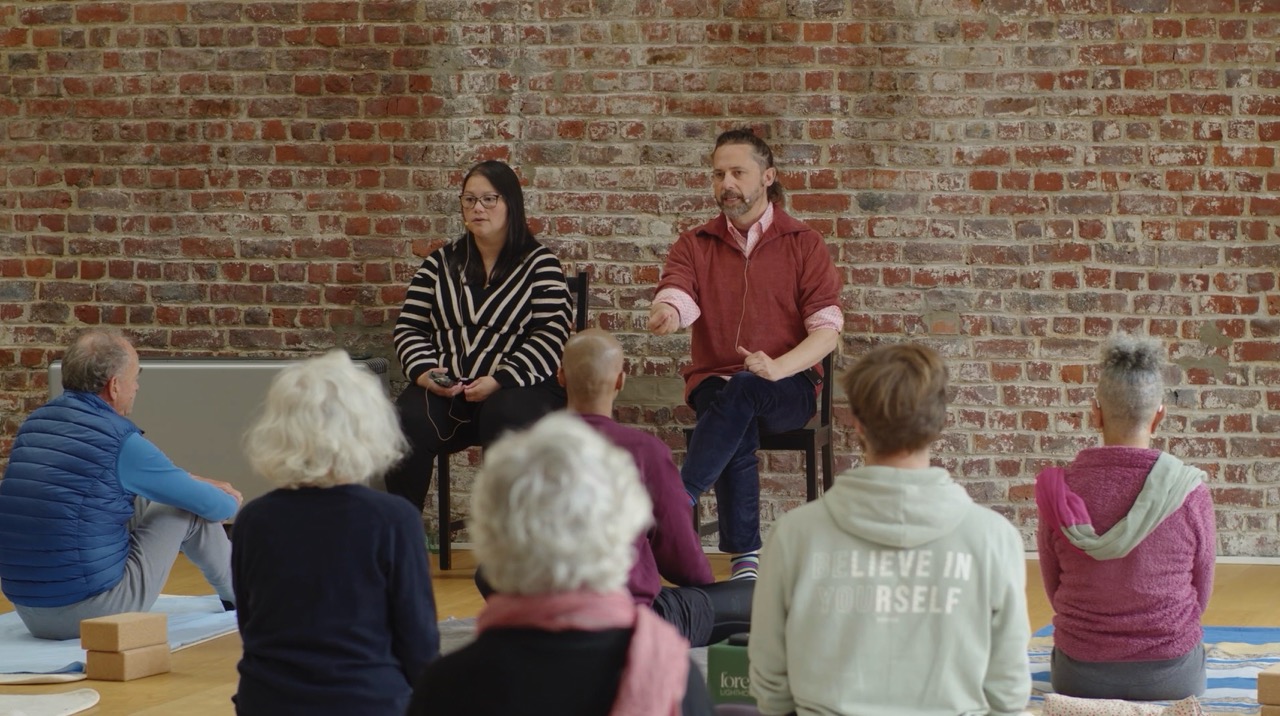
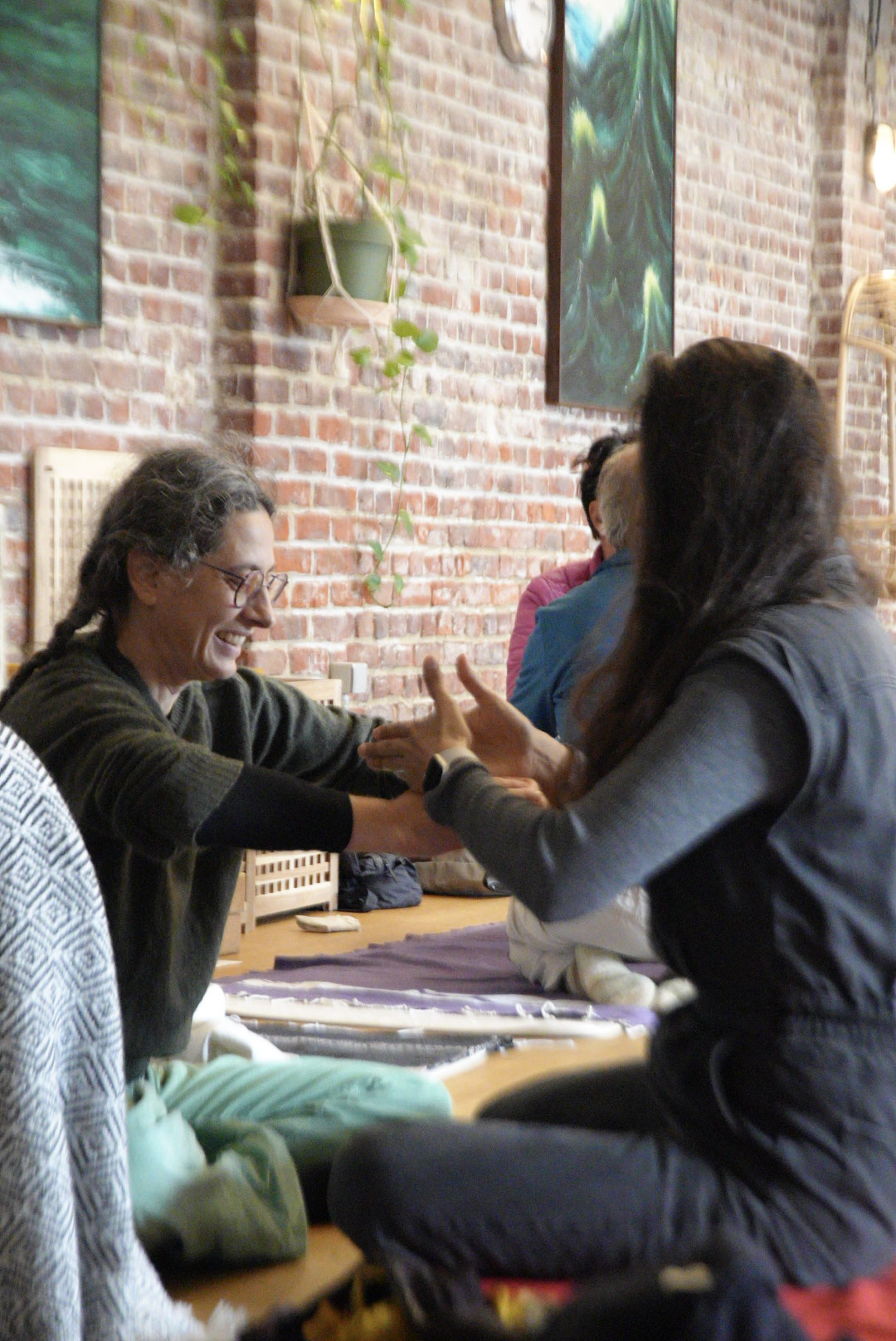
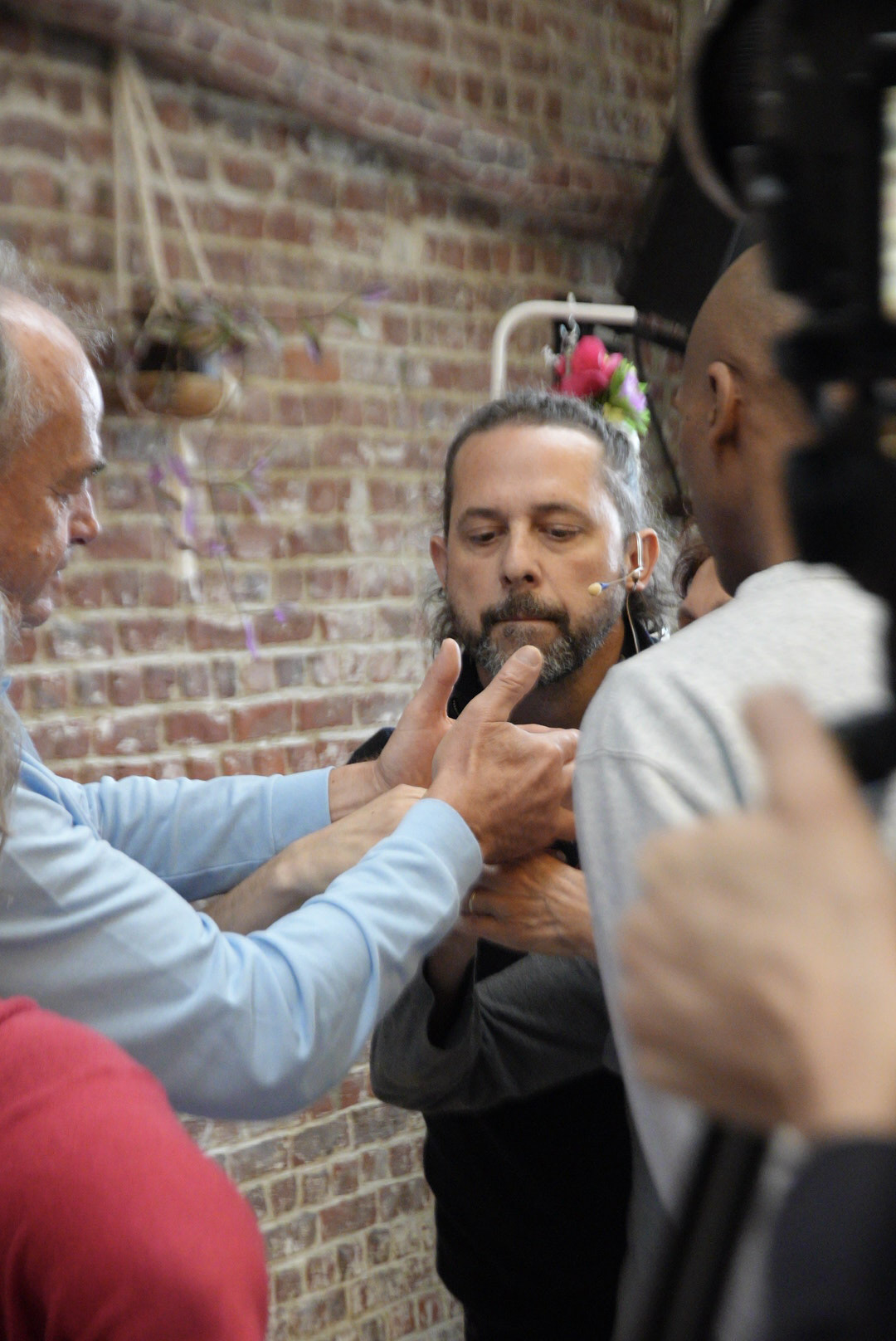
About
Each participant will be given a copy of the instructional manual for the course: DEVELOPING VOCAL AWARENESS: 10 Lessons for Voice Inspired by the Feldenkrais® Method of Somatic Education by Robert Sussuma, MMus., GCFP.
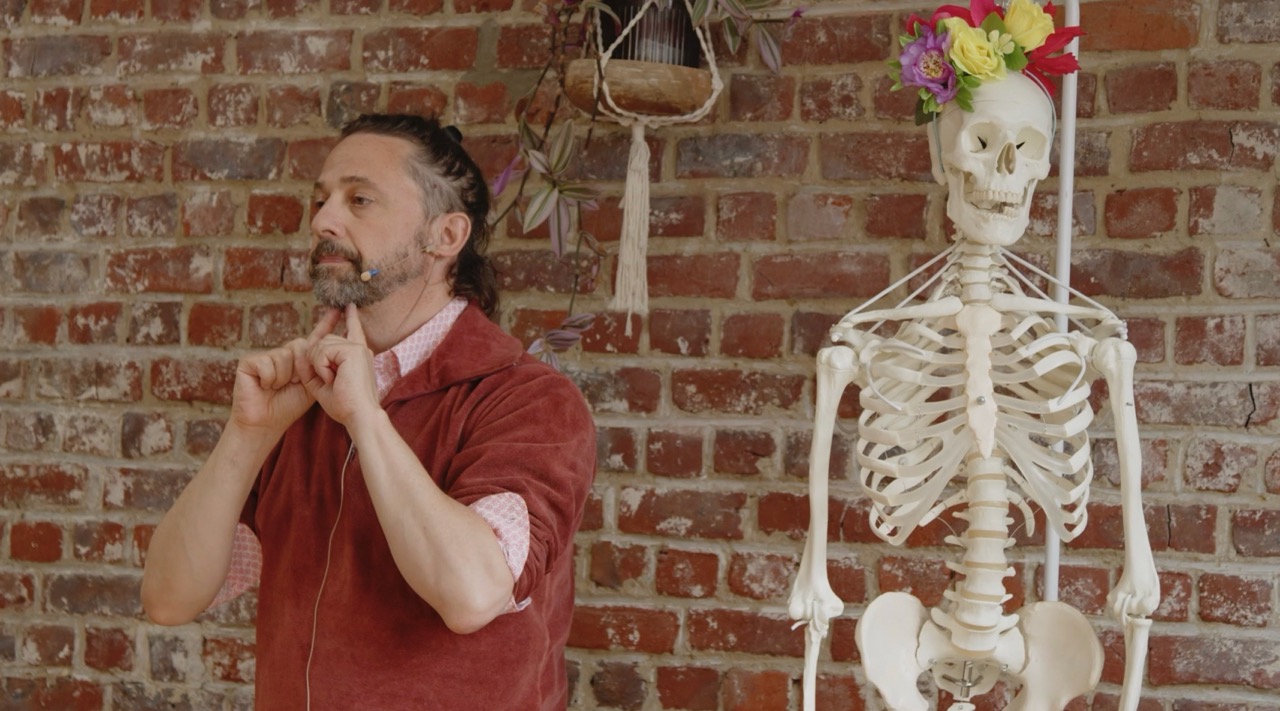
In this 5-day Somatic Lab, you will move beyond traditional vocal pedagogy and general Feldenkrais interventions to explore the voice as a function of the whole self in its own right.
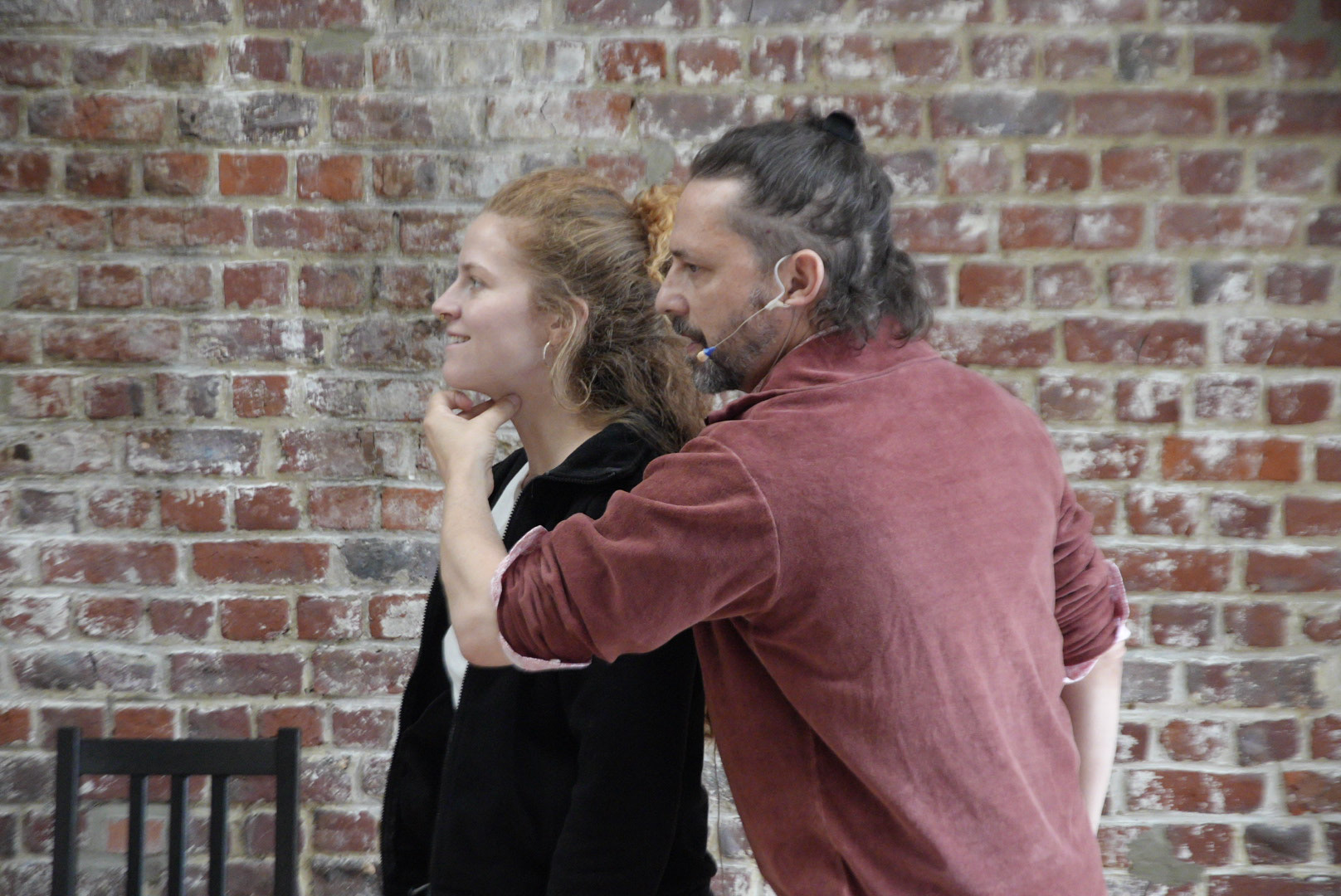
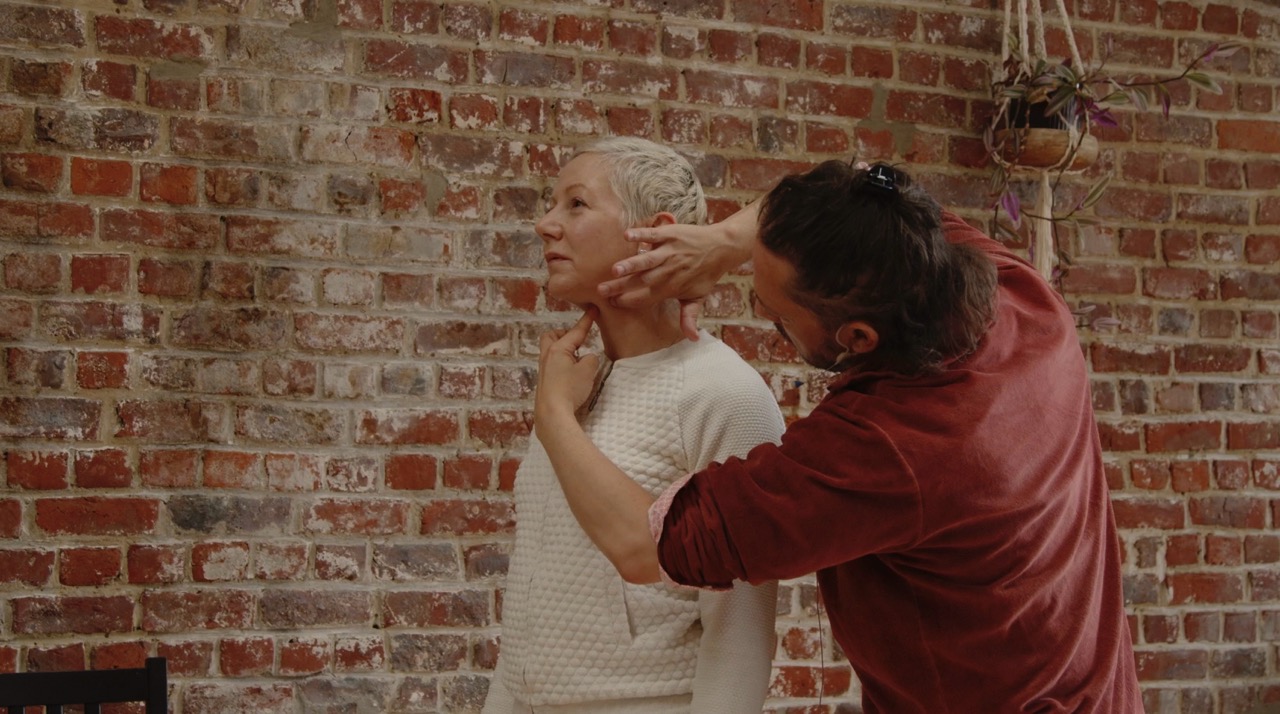
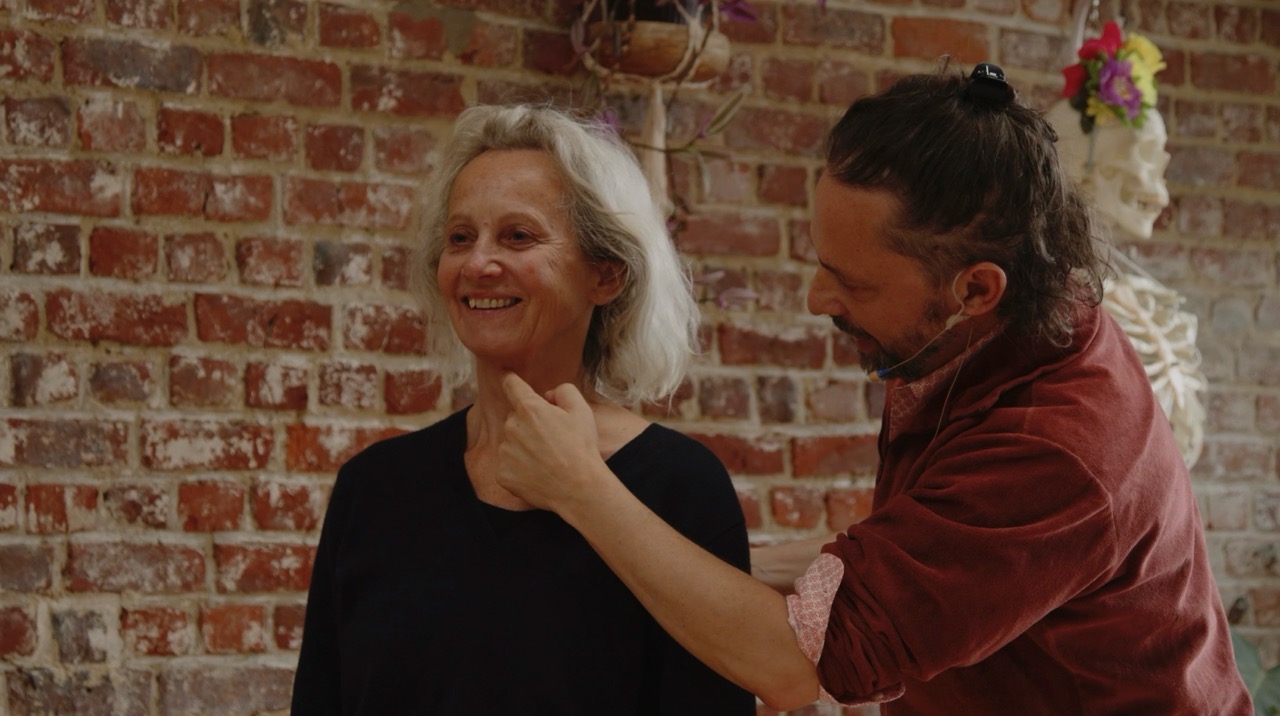
You will learn to identify and inhibit the parasitic efforts of the jaw, tongue, and throat that often impede a person's full vocal potential, and discover ways to organize the whole self for all kinds of sounds.
By the end of the week, you will have a clear experiential map of vocal production, from the soles of the feet to the top of the pharynx, so you can begin working with singers, speakers, and the general public with greater clarity and specificity.
Through the study, experience, analysis, and inquiry of 10 original ATM lessons, you will begin to develop the Somatic Ear needed to perceive where a person is disconnected from a more optimal self-organization for voicing.
NOTE: Each lesson is like the boundary of a fractal that can expand and connect with other lessons infinitely, and, for the record, there are many more original lessons to come in future offerings.
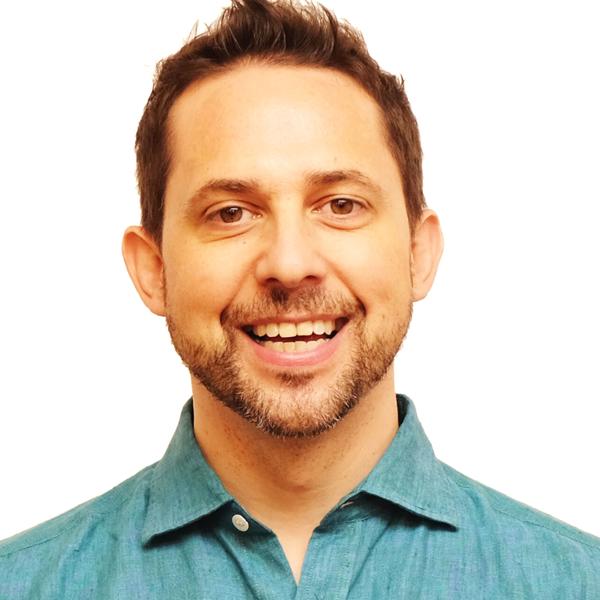
Votre guide
Facilitators
Key themes of exploration
The Developmental Voice
Reconnecting with the primal reflexes of sucking, swallowing, and babbling to revisit the pre-habitual ease of the infant mouth and jaw.
The Architecture of Resonance
Mapping and moving the "Internal Vault" of the soft palate, nasopharynx, and skull to facilitate "support from above" and effortless bone conduction through the skull—another organizational anchor.
The Point of Transduction
Investigating the "Goldilocks" balance of the vocal folds in vibration—finding the precise coordination of vocal fold movement, breath pressure, and flow to transform air into sound without friction or wasted energy.
Proximal Stability & Distal Freedom
Establishing "Hanging Stability" in the pharyngeal walls and the top of the spine to liberate the delicate structures of the larynx for expressive performance.
The Vertical Column
Integrating the vocal apparatus into the whole skeleton, grounding the act of voicing in the support of the feet and the organization of the pelvis and connecting that with the pharynx to find "floating support" for ease of voicing and freedom of expression.
Get the PDF guide
Get the full event presentation sent to your inbox.
Optional. You can request the PDF without joining the newsletter.
More about this program
Who is this intensive for?
For Feldenkrais practitioners (or students in 3rd or 4th year) who want a clearer somatic framework for working with singers, speakers, and other vocalists.
Do I need musical or technical vocal training?
No. The workshop makes vocal function accessible through movement, organization, and perception, even for people without prior musical or technical vocal training.
How is the 5-day lab structured?
This intensive functions as a deep-dive laboratory, structured in a two-phase pedagogical journey designed to move you from personal integration to professional application.
Phase 1: Somatic Immersion & Functional Logic (Days 1–3)
The first three days focus on high-density acquisition. We will move through the first eight original ATM lessons to build a rich sensory vocabulary. Each session alternates between:
Experience: Original Awareness Through Movement® lessons to quiet "vocal noise" and allow for pure functional discovery.
Analysis: Transitioning from the felt sense to a clear articulation of the functional and structural logic. We will delve into the underlying background of each lesson from both a Feldenkrais and functional vocal perspective to clarify the organizational principles that drive the somatic shift.
Phase 2: Pedagogical Inquiry & Mastery (Days 4–5)
The final two days pivot toward the power of the practitioner. We introduce the final two "anchor" lessons (Lessons 9 and 10) to ground the week’s work, but the primary focus shifts to:
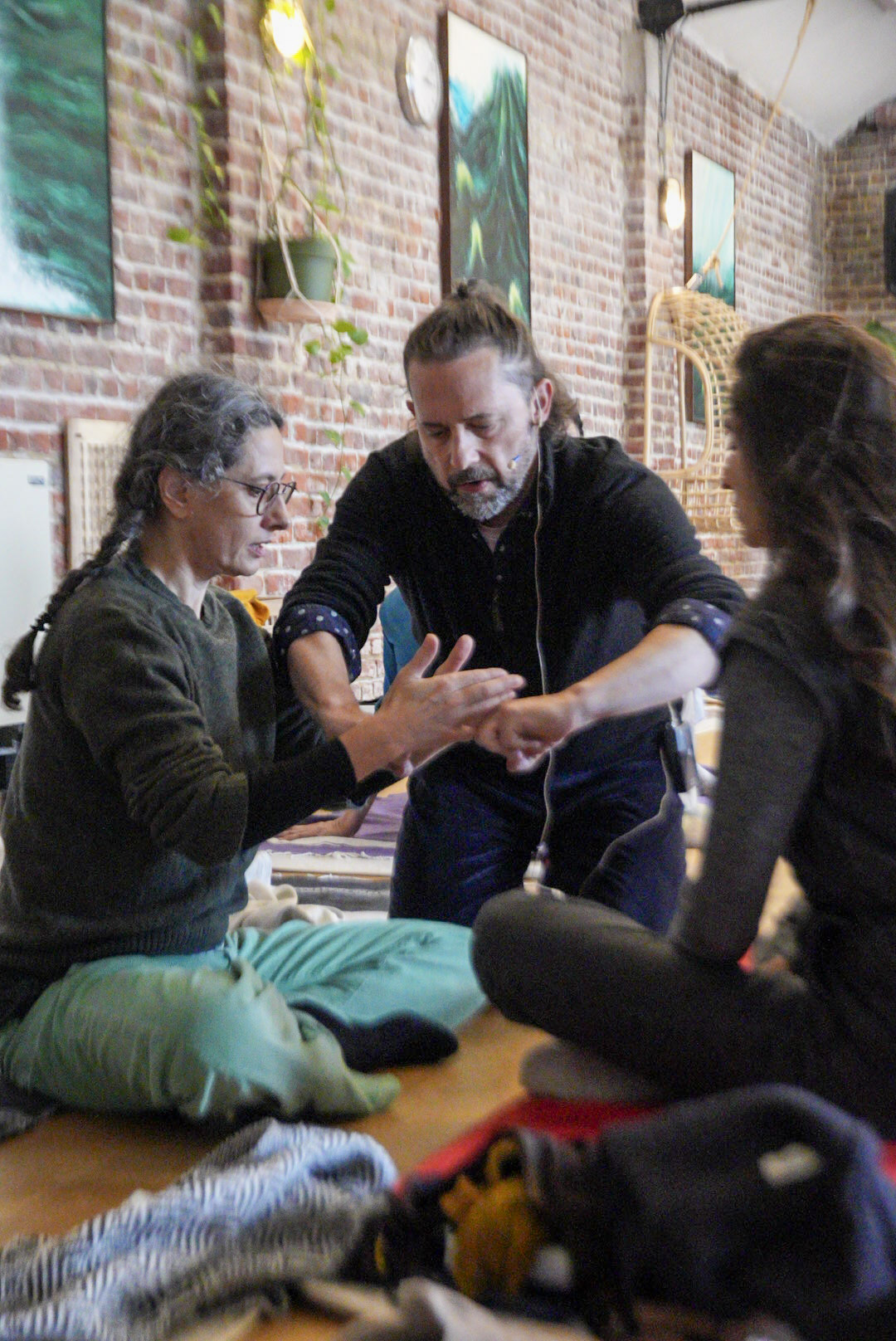
Collaborative Interventions: Working in trios (two active practitioners and one observer), you will practice leading specific segments and "vocal riffs" from the ATMs with each other. This rotation allows you to develop a "Somatic Ear"—perceiving organizational patterns and practicing the timing and language of an effective intervention.
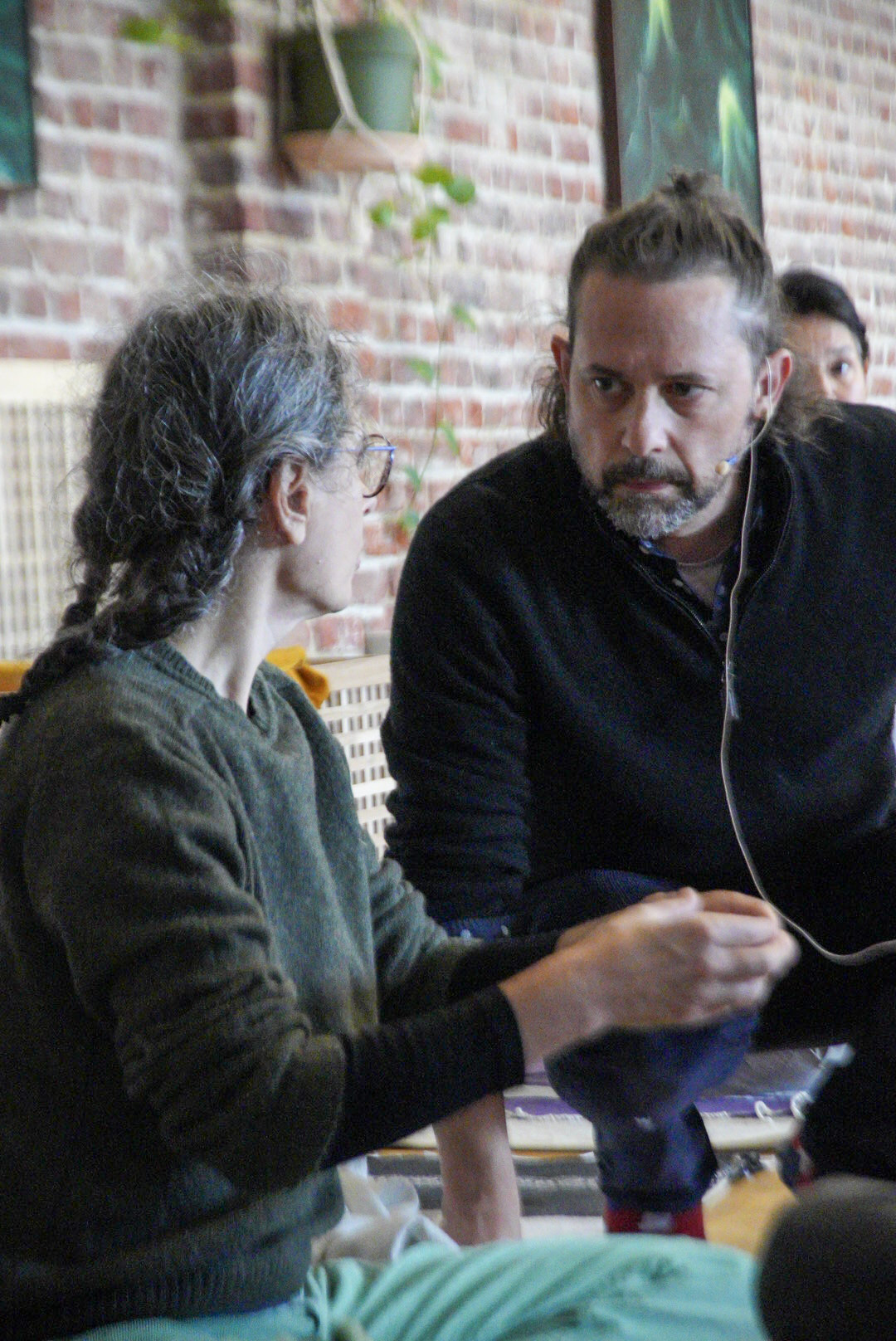
Inquiry & Adaptation: Through discussion and play, we explore how to creatively adapt the lesson’s themes for real-world scenarios. Optional: Exploration of translating ATM themes into Functional Integration (FI) strategies.
Will we work only with singers?
No. The material supports work with singers, speakers, and the general public, and includes optional inquiry into how ATM themes can inform Functional Integration strategies.
Reserve your place
Benefits
In this programme
Primal Impulses (Suckling/Siren)
Reconnecting early reflexes to vocal range.
Early Echoes (/ma-ba/)
Reclaiming the ease of bilabial play.
The Tongue in Suspension (Tongue/Hyoid)
Organizing around the hyoid for vertical freedom.
The Threshold of the Palate (/th/)
Clarifying the nasopharynx and the oral/nasal border.
The Skeleton’s Sound Box (Humming)
Mapping skull resonance through bone conduction.
The Larynx in Vision (Vocal Fry/Eyes)
Sensing and re-organizing the vocal folds through the downward gaze.
The Point of Vocal Transduction (/f-v/)
Balancing breath pressure and flow at the level of the glottis.
Gravity’s Grace (Tongue/Prone)
Using gravity to release the deep tongue root.
The Power of the Pharynx (/ch/)
Establishing "Hanging Stability" for distal vocal freedom.
The Vertical Voice (Nose/Feet/Throat)
Integrating the whole self from ground to crown.
Explore
You might also like
See more offers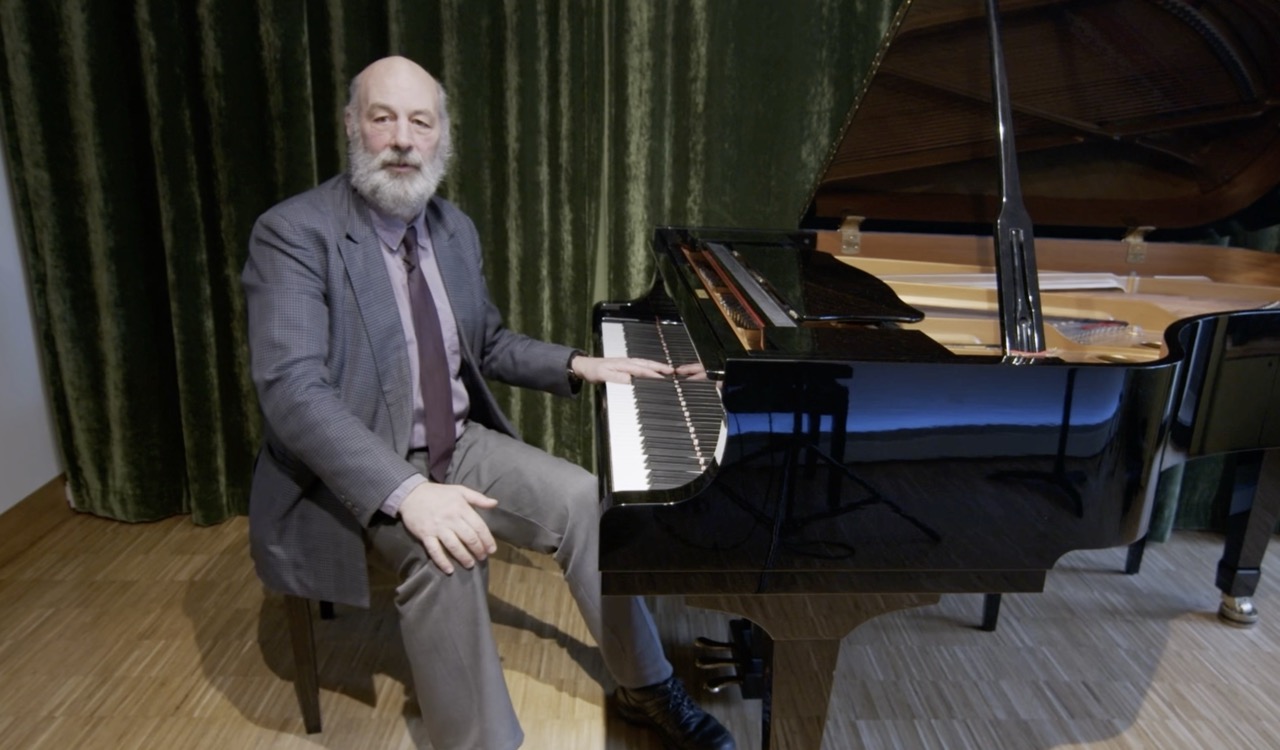
Questions
Frequently asked questions
Practical
What facilities does Forest Lighthouse offer?
The centre includes two changing rooms, a small coffee and tea area, a kitchen for breaks, and a library with many books on movement, learning, and somatic practices. Mats and basic equipment are available on site.
How do I get to Forest Lighthouse?
Forest Lighthouse is located in Forest, Brussels, and is easy to reach by public transport, including tram 82 and bus 50. For detailed directions, please see the Visit page.
How accessible is the centre?
The main hall, Canopy Hall, currently requires taking stairs. The ground-floor studio is accessible for wheelchair users. If you need specific access support, please contact us in advance.
What should I bring?
Comfortable clothing is recommended. You are welcome to bring water and a notebook if you would like to take notes.
What kind of movement should I expect?
Depending on the activity, the work may happen on the floor, seated, standing, or in motion. The exact format is described on each event page.
When should I arrive?
We aim to begin activities on time, so we recommend arriving a few minutes early.
Can I come on my own?
Yes, absolutely. Many participants come on their own. You are also welcome to bring a friend.
Where can I park my bike?
You can park your bike at the entrance of the building.
General
What is Forest Lighthouse?
Forest Lighthouse is a centre for somatic and neurosomatic education in Brussels. We explore embodied learning through movement, perception, cognition, and emotional awareness. Our aim is to create the right conditions for learning so each person can discover and develop their abilities through direct experience.
What kinds of classes and trainings do you offer?
We organise workshops, regular classes, private sessions, and professional training programmes. These activities explore different approaches to embodied learning and movement, often with internationally recognised teachers and practitioners.
Who are the events and activities for?
Most activities are open to beginners unless stated otherwise. Somatic education is not about performance or flexibility. It is about learning through attention and exploration, at your own pace. If you have an injury or a particular condition, please let us know in advance.
Payment
What payment options do you offer?
Registration and payment usually happen online. If needed, we can also help you directly at the studio.
Are there extra fees and what is the cancellation policy?
Cancellation terms vary depending on the activity. Please check the event page for the details that apply.
What if a workshop is full?
You can ask to join the waiting list. We will contact you if a place becomes available.
Do you offer reduced rates?
If you are unemployed or in financial difficulty, you can contact us to request a reduced rate. Supporting documentation may be requested.
Can I receive an invoice?
Yes. If you need an invoice for professional or administrative purposes, please let us know.