





About
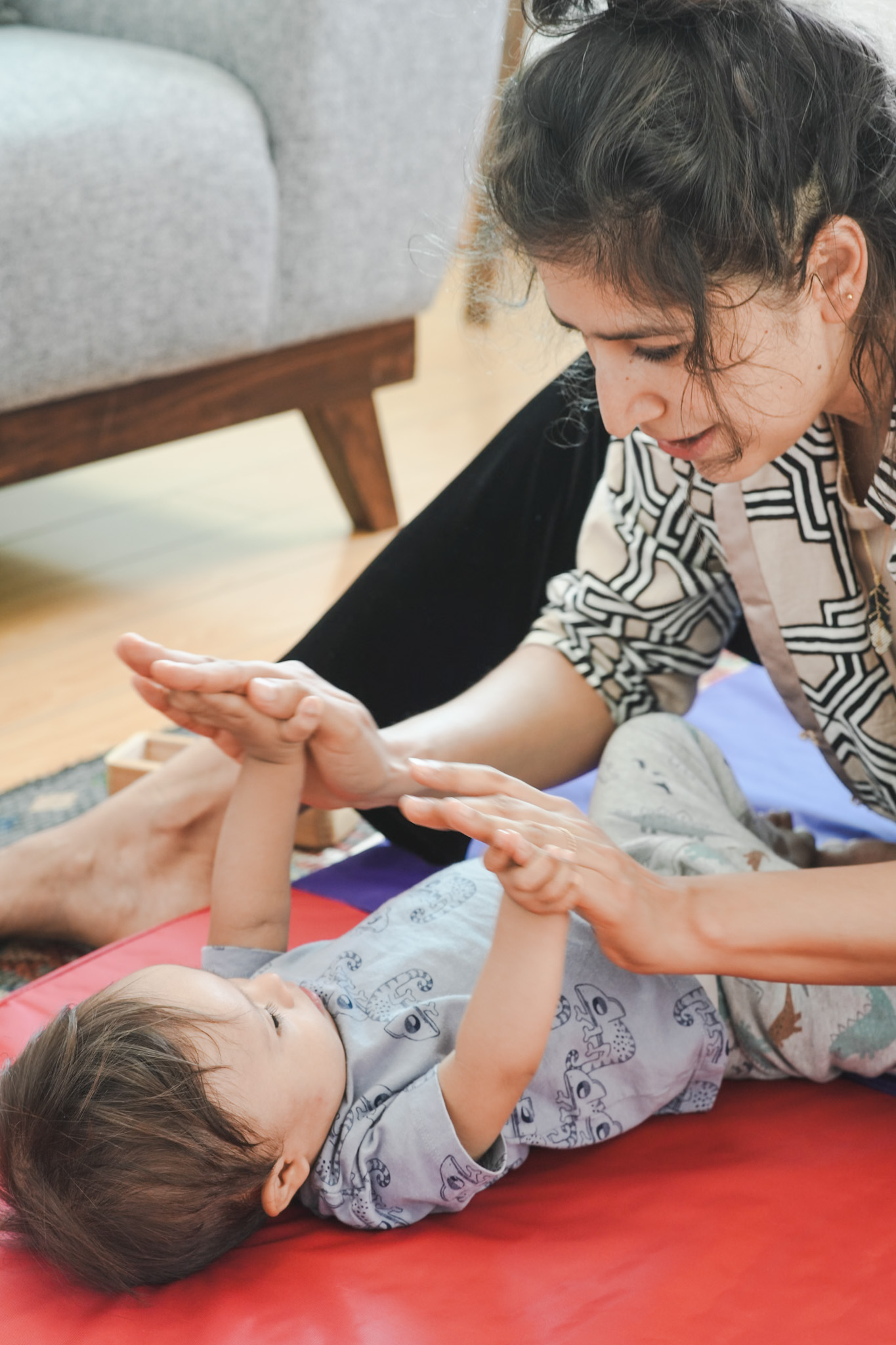
Children with specific needs – whether neurological, motor, sensory, or related to autism spectrum disorders – often face challenges in their overall development. Traditional approaches based on repetitive exercises can be insufficient or poorly suited to each child’s unique needs. A more individualized, nuanced approach can help unlock their latent learning potential. The Feldenkrais Method addresses these challenges by engaging the nervous system through gentle, guided movement. This approach leverages neuroplasticity – the brain’s ability to form new connections – to improve coordination, reduce effort, and foster new patterns of learning and growth. The process is continuously tailored to the child’s abilities. Through playful, non-invasive movements, the practitioner helps the child identify his patterns of moving, explore new ways of moving and interacting with their environment, leading to improvements in motor skills, focus, and autonomy over time.
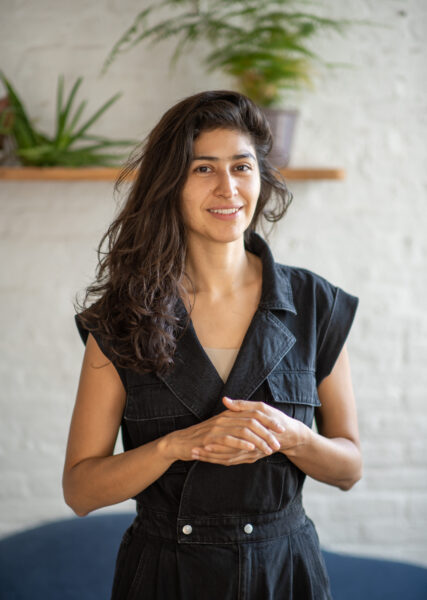
Votre guide
Facilitators
Creas lo que crees
What is the process ?
Observation
Assess how the child moves, interacts, and responds to their environment.
Listening and trust
Establish a relationship with the child and create a safe space where the child feels understood, allowing natural growth and learning to unfold.
Gentle Touch and Movement
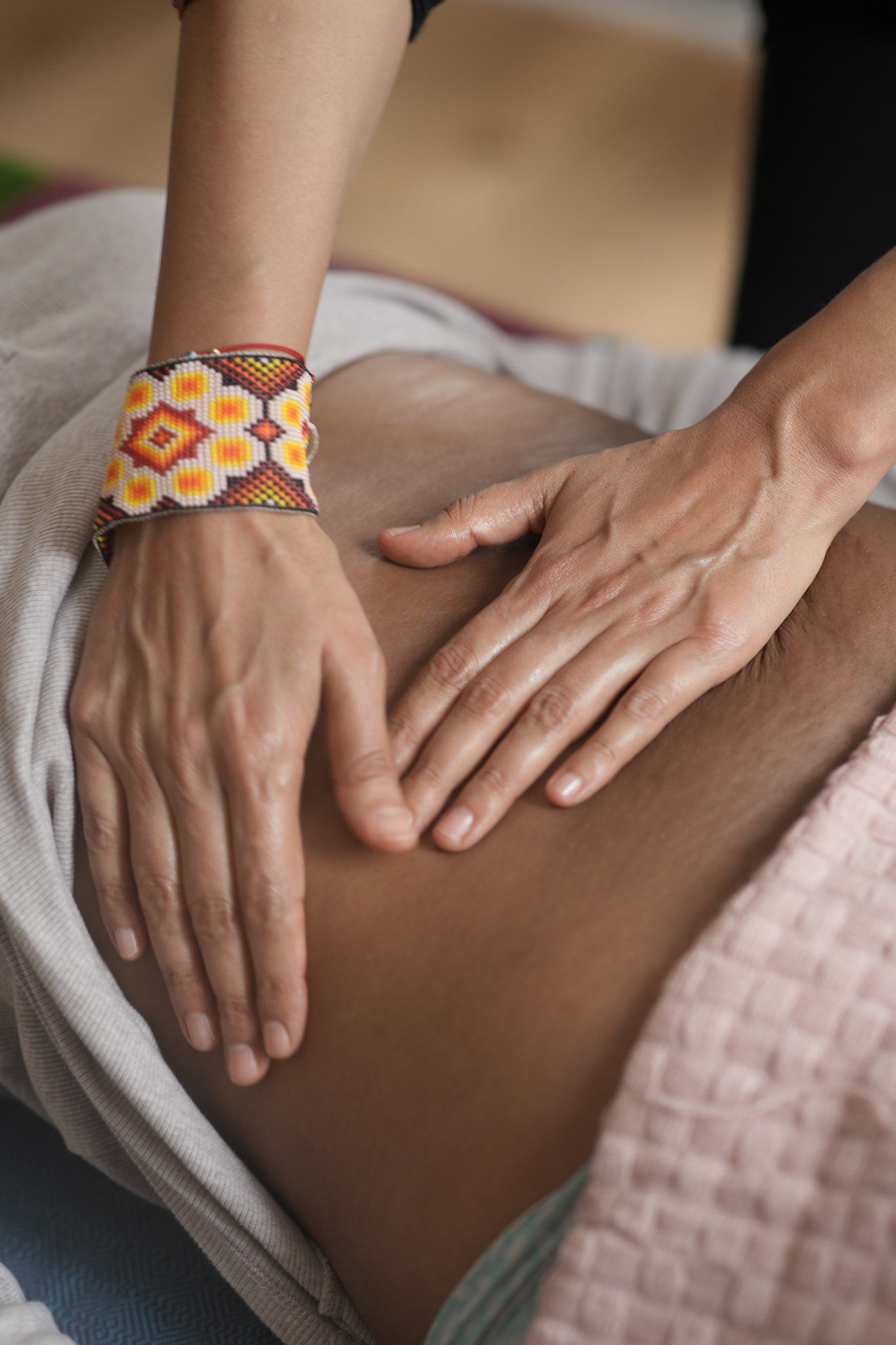
Use light tapping and subtle pressure to help the child feel their body, relax, and explore movement.
Guided Actions
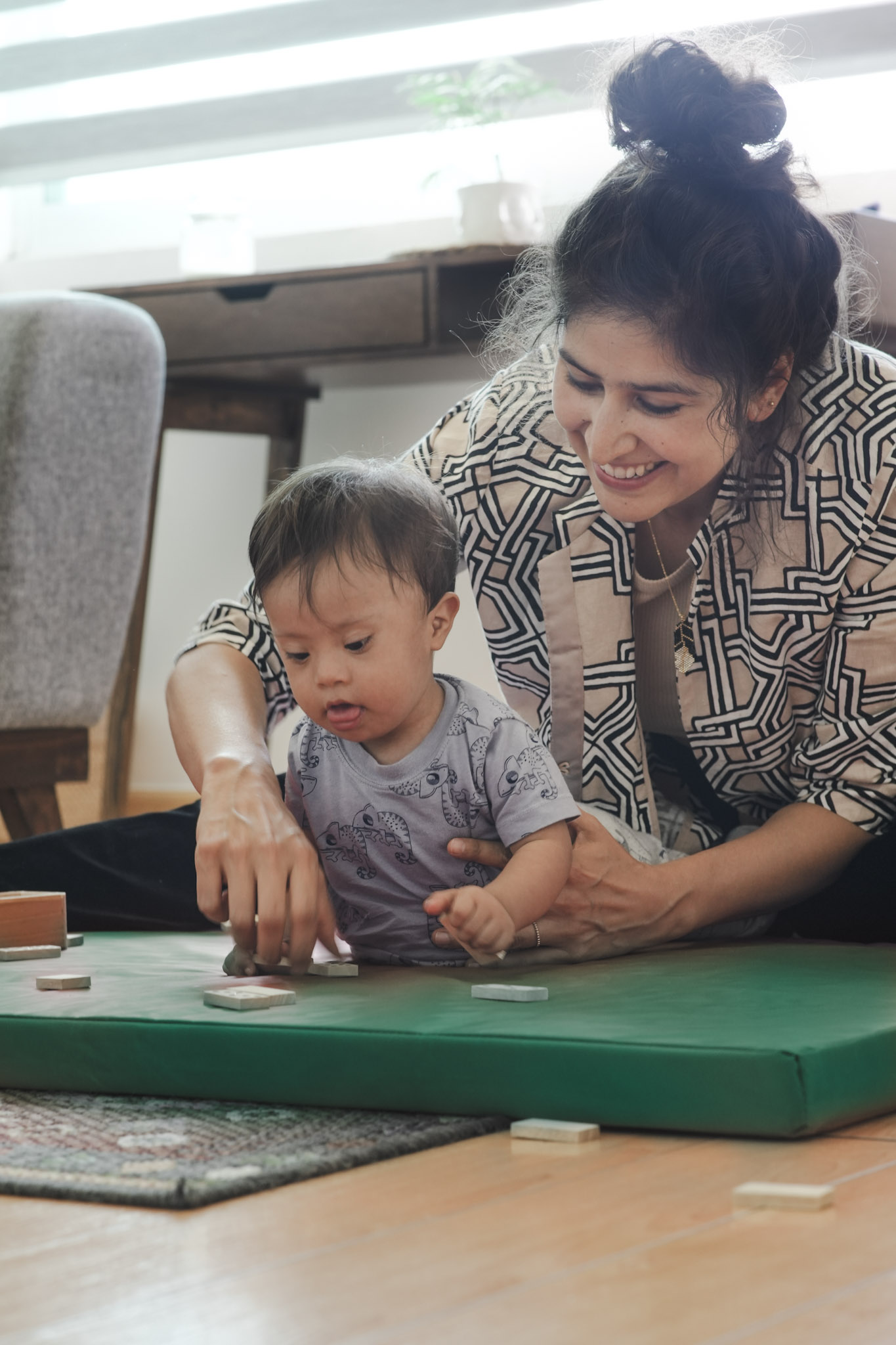
Support the child in performing simple tasks (like reaching or sitting) to develop motor skills and awareness.
Parental Involvement and Follow-up
Teach parents simple techniques to practice at home and adjust sessions based on the child’s progress.
Get the PDF guide
Get the full event presentation sent to your inbox.
Optional. You can request the PDF without joining the newsletter.
More about this program
What kind of support does Children with special needs offer?
Improve your child’s abilities through neuroplasticity and movement
Children with specific needs – whether neurological, motor, sensory, or related to autism spectrum disorders – often face challenges in their overall development. Traditional approaches based on repetitive exercises can be insufficient or poorly suited to each child’s unique needs.
Who are Children with special needs sessions for?
These sessions are for children with specific needs, including: • Cerebral palsy (IMC) • Brain injuries or stroke (AVC) recovery • Premature birth with developmental delays • Autism spectrum disorders (ASD) • Learning difficulties and motor impairments • Genetic conditions affecting movement and coordination • Congenital injuries (e.g., brachial plexus lesions) • Dystonias and other neuromotor disorders The Feldenkrais Method is designed to support children with diverse diagnoses, fostering their unique potential for growth and movement.
What can we work on through Children with special needs?
Expected Benefits of Feldenkrais Sessions for Children and Parents: • Increased Comfort and Ease – Children experience less physical tension, allowing for smoother, more natural movement in daily life. • Enhanced Ability to Carry Out Intentions – By developing clearer motor pathways, children gain confidence in initiating and completing actions like reaching, sitting, or turning. • Improved Emotional Regulation – A greater sense of physical ease often leads to calmer, more stable emotions, helping children manage new or unexpected situations. • Expanding Possibilities for Action – Small but meaningful changes open new opportunities for play, interaction, and independence. For Parents: • Deeper Understanding of Their Child’s Needs – Parents gain insight into how their child learns and moves, fostering empathy and patience. • Simple Tools to Support Progress at Home – Parents learn gentle techniques to help their child feel more at ease, reinforcing improvements between sessions. • Increased Confidence – As parents witness their child’s growth, they feel more equipped and reassured in supporting their development. The Feldenkrais Method empowers both children and their families, enhancing quality of life and strengthening the connection between action, intention, and emotional well-being.
How does a Children with special needs session unfold?
1. Enhancing Body Awareness and Coordination Helping children develop a clearer sense of their bodies to move with greater ease and control. 2. Supporting Neuroplasticity and Learning Engaging the brain’s capacity to form new connections through gentle movement and sensory exploration. 3. Reducing Tension and Discomfort Softening habitual patterns of physical tension to promote freer, more comfortable movement. 4. Encouraging Emotional Regulation and Calm Fostering emotional stability by creating a sense of physical ease and security. 5. Building Independence and Confidence Empowering children to initiate and carry out actions, enhancing their sense of autonomy and capability. 6. Strengthening Parent-Child Connection Equipping parents with tools to support their child’s development and deepen their understanding of their needs.
What session options are available for Children with special needs?
The current booking options are 1 session (80 EUR), a 3-session package (210 EUR), and a 5-session package (350 EUR).
Both the 3-session and 5-session packages remain valid for 90 days.
The listed teaching languages for this offer are French, English, Spanish, Flemish.
Benefits
In this programme
Individualized guidance
Receive hands-on and verbal support shaped around your situation and questions.
Support developmental pathways
Bring attention to growth, organization, and learning processes across different stages of development.
Refine coordination
Improve timing, transitions, and the organization of action with less unnecessary effort.
Pacing adapted to you
Work at a rhythm that respects your history, comfort, and current capacity.
Explore
You might also like
See more offers
Questions
Frequently asked questions
Practical
What facilities does Forest Lighthouse offer?
The centre includes two changing rooms, a small coffee and tea area, a kitchen for breaks, and a library with many books on movement, learning, and somatic practices. Mats and basic equipment are available on site.
How do I get to Forest Lighthouse?
Forest Lighthouse is located in Forest, Brussels, and is easy to reach by public transport, including tram 82 and bus 50. For detailed directions, please see the Visit page.
How accessible is the centre?
The main hall, Canopy Hall, currently requires taking stairs. The ground-floor studio is accessible for wheelchair users. If you need specific access support, please contact us in advance.
What should I bring?
Comfortable clothing is recommended. You are welcome to bring water and a notebook if you would like to take notes.
What kind of movement should I expect?
Depending on the activity, the work may happen on the floor, seated, standing, or in motion. The exact format is described on each event page.
When should I arrive?
We aim to begin activities on time, so we recommend arriving a few minutes early.
Can I come on my own?
Yes, absolutely. Many participants come on their own. You are also welcome to bring a friend.
Where can I park my bike?
You can park your bike at the entrance of the building.
General
What is Forest Lighthouse?
Forest Lighthouse is a centre for somatic and neurosomatic education in Brussels. We explore embodied learning through movement, perception, cognition, and emotional awareness. Our aim is to create the right conditions for learning so each person can discover and develop their abilities through direct experience.
What kinds of classes and trainings do you offer?
We organise workshops, regular classes, private sessions, and professional training programmes. These activities explore different approaches to embodied learning and movement, often with internationally recognised teachers and practitioners.
Who are the events and activities for?
Most activities are open to beginners unless stated otherwise. Somatic education is not about performance or flexibility. It is about learning through attention and exploration, at your own pace. If you have an injury or a particular condition, please let us know in advance.
Payment
What payment options do you offer?
Registration and payment usually happen online. If needed, we can also help you directly at the studio.
Are there extra fees and what is the cancellation policy?
Cancellation terms vary depending on the activity. Please check the event page for the details that apply.
What if a workshop is full?
You can ask to join the waiting list. We will contact you if a place becomes available.
Do you offer reduced rates?
If you are unemployed or in financial difficulty, you can contact us to request a reduced rate. Supporting documentation may be requested.
Can I receive an invoice?
Yes. If you need an invoice for professional or administrative purposes, please let us know.