




 Wed28 Oct03:00 PM – 06:00 PMBetzabel Falfan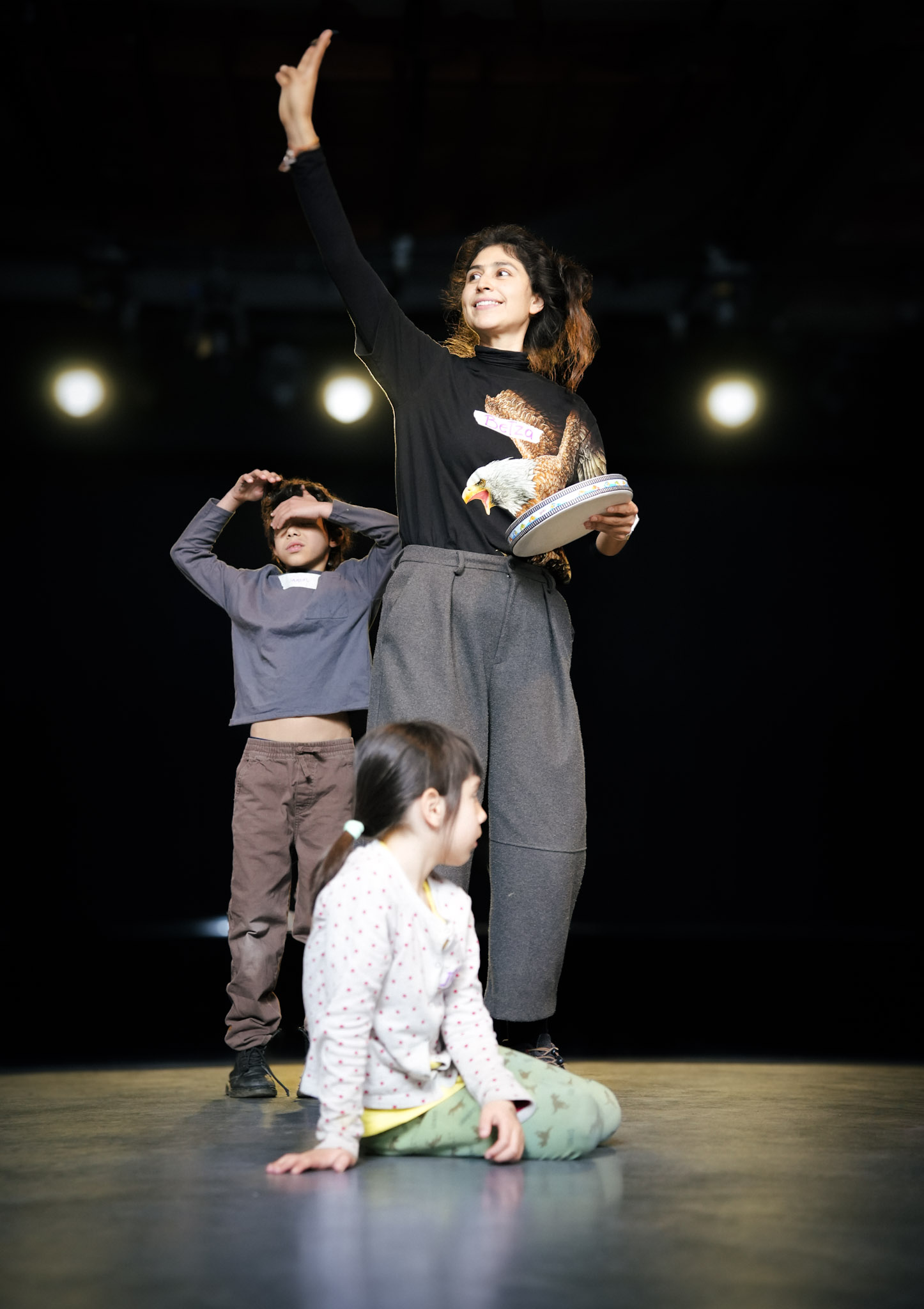
About
Through play and improvisation, children will discover the figure of the Nahual, the spirit animal, and embark on an imaginary journey with it, exploring themes of memory, transformation, and the celebration of life.
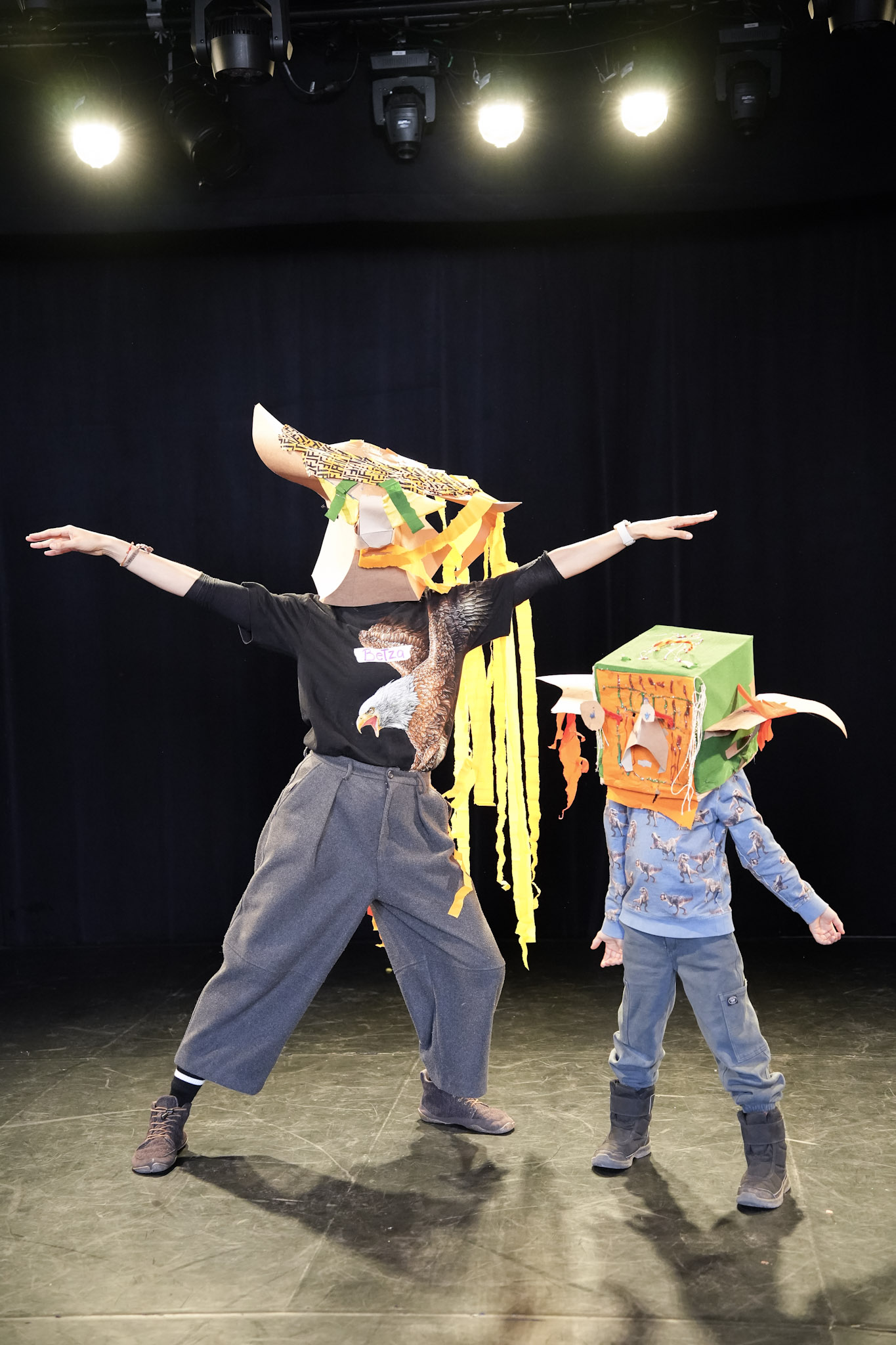
Each child will create their own mask and then bring it to life through movement and theater. The workshop will conclude with the collective creation of a small, temporary theatrical altar centered on sharing, memory, and the celebration of life.
Workshop Schedule
1. Entering the World of Día de Muertos
A brief historical introduction will spark the imagination of children and adults regarding memory, colors, flowers,
animals, and the celebration of life.
2. Through play, imagination, and movement, children and adults will set out to encounter the Nahual, the spirit animal. A physical
and sensory warm-up, inspired by animals, landscapes, textures, and rhythms, will invite them to feel and explore their animal: how does it move? What is its rhythm? How does it look at others and interact with them?
Children and participants will thus explore space, listening, presence, and improvisation, gradually bringing their Nahual to life.
3. Making the Mask
Drawing on their physical experiences and imagination, the children create a mask related to their Nahual using cardboard, paper, fabric, paint, and decorative elements.
4. Bringing the Mask to Life
The mask becomes a character: movement exercises, encounters, theatrical games, and short group improvisations.
5. Temporary Theatrical Altar
The group works together to create a small symbolic space using the elements made during the workshop, followed by a moment of
sharing.
What to bring:
Children and adults are invited to bring a few costume pieces or accessories of their choice: fabric, scarves, flowers, ribbons, hats, or colorful clothing inspired by an animal, their imagination, or the world of Día de Muertos. It is not necessary to come fully dressed in costume.
Please wear comfortable clothing that allows for free movement.
Votre guide
Facilitators
Creas lo que crees
Get the PDF guide
Get the full event presentation sent to your inbox.
Optional. You can request the PDF without joining the newsletter.
Reserve your place
Explore
You might also like
See more offers

Questions
Frequently asked questions
Practical
What facilities does Forest Lighthouse offer?
The centre includes two changing rooms, a small coffee and tea area, a kitchen for breaks, and a library with many books on movement, learning, and somatic practices. Mats and basic equipment are available on site.
How do I get to Forest Lighthouse?
Forest Lighthouse is located in Forest, Brussels, and is easy to reach by public transport, including tram 82 and bus 50. For detailed directions, please see the Visit page.
How accessible is the centre?
The main hall, Canopy Hall, currently requires taking stairs. The ground-floor studio is accessible for wheelchair users. If you need specific access support, please contact us in advance.
What should I bring?
Comfortable clothing is recommended. You are welcome to bring water and a notebook if you would like to take notes.
What kind of movement should I expect?
Depending on the activity, the work may happen on the floor, seated, standing, or in motion. The exact format is described on each event page.
When should I arrive?
We aim to begin activities on time, so we recommend arriving a few minutes early.
Can I come on my own?
Yes, absolutely. Many participants come on their own. You are also welcome to bring a friend.
Where can I park my bike?
You can park your bike at the entrance of the building.
General
What is Forest Lighthouse?
Forest Lighthouse is a centre for somatic and neurosomatic education in Brussels. We explore embodied learning through movement, perception, cognition, and emotional awareness. Our aim is to create the right conditions for learning so each person can discover and develop their abilities through direct experience.
What kinds of classes and trainings do you offer?
We organise workshops, regular classes, private sessions, and professional training programmes. These activities explore different approaches to embodied learning and movement, often with internationally recognised teachers and practitioners.
Who are the events and activities for?
Most activities are open to beginners unless stated otherwise. Somatic education is not about performance or flexibility. It is about learning through attention and exploration, at your own pace. If you have an injury or a particular condition, please let us know in advance.
Payment
What payment options do you offer?
Registration and payment usually happen online. If needed, we can also help you directly at the studio.
Are there extra fees and what is the cancellation policy?
Cancellation terms vary depending on the activity. Please check the event page for the details that apply.
What if a workshop is full?
You can ask to join the waiting list. We will contact you if a place becomes available.
Do you offer reduced rates?
If you are unemployed or in financial difficulty, you can contact us to request a reduced rate. Supporting documentation may be requested.
Can I receive an invoice?
Yes. If you need an invoice for professional or administrative purposes, please let us know.