





 Fri2 Oct10:00 AM – 06:00 PMChoune OstoreroSat3 Oct09:30 AM – 06:30 PMChoune OstoreroSun4 Oct09:00 AM – 04:00 PMChoune Ostorero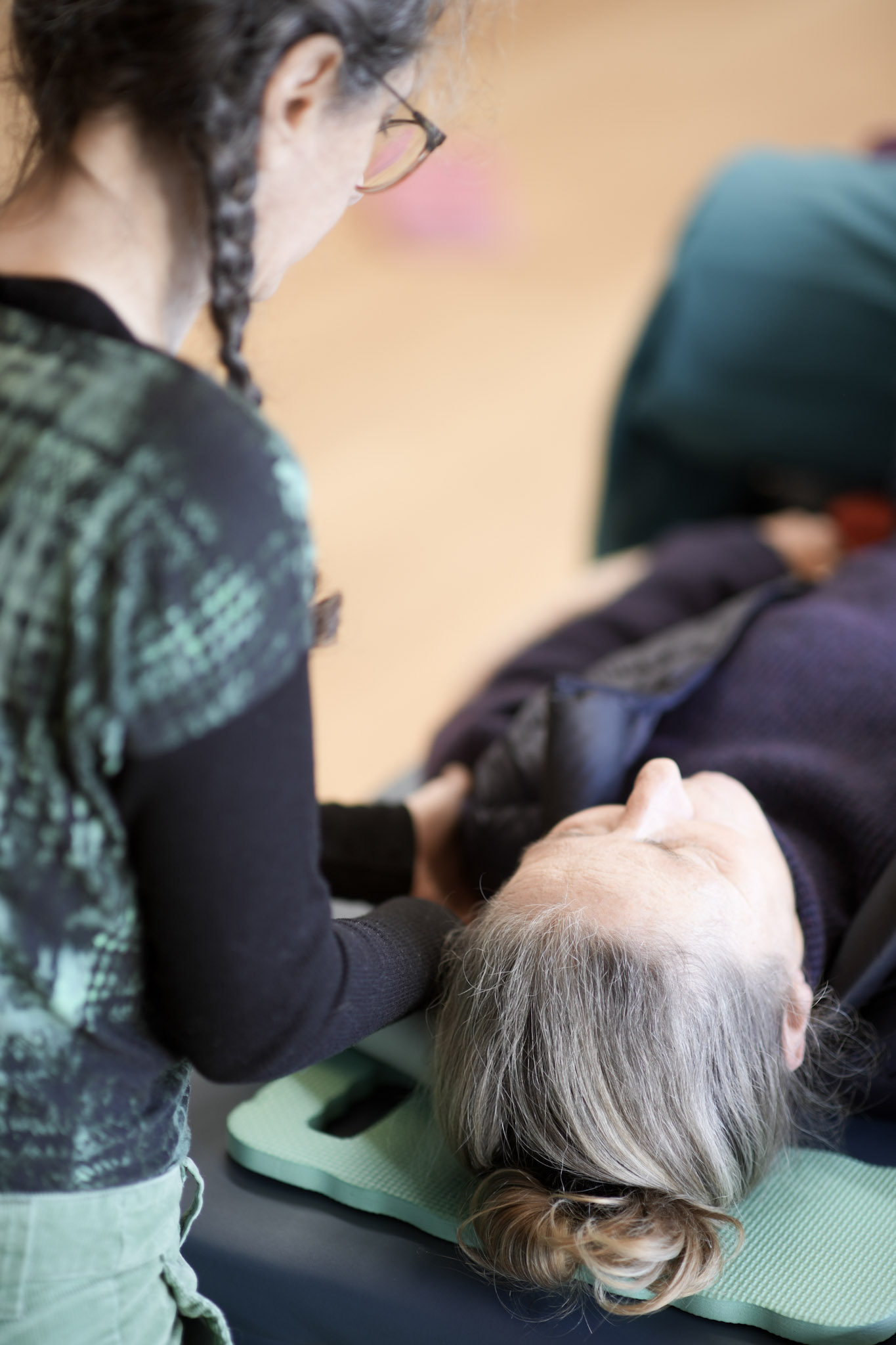
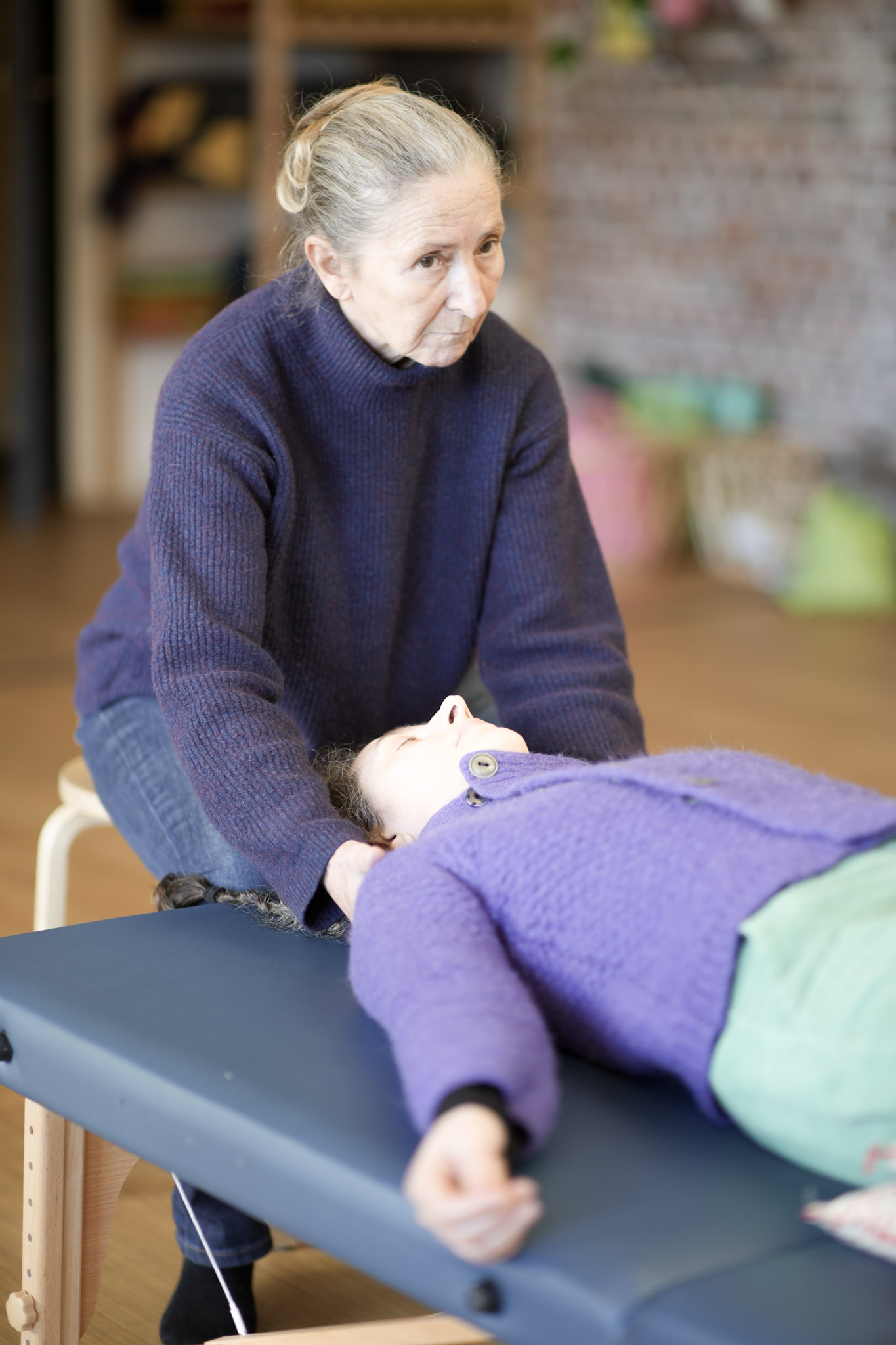
Touch, fascia and professional practice
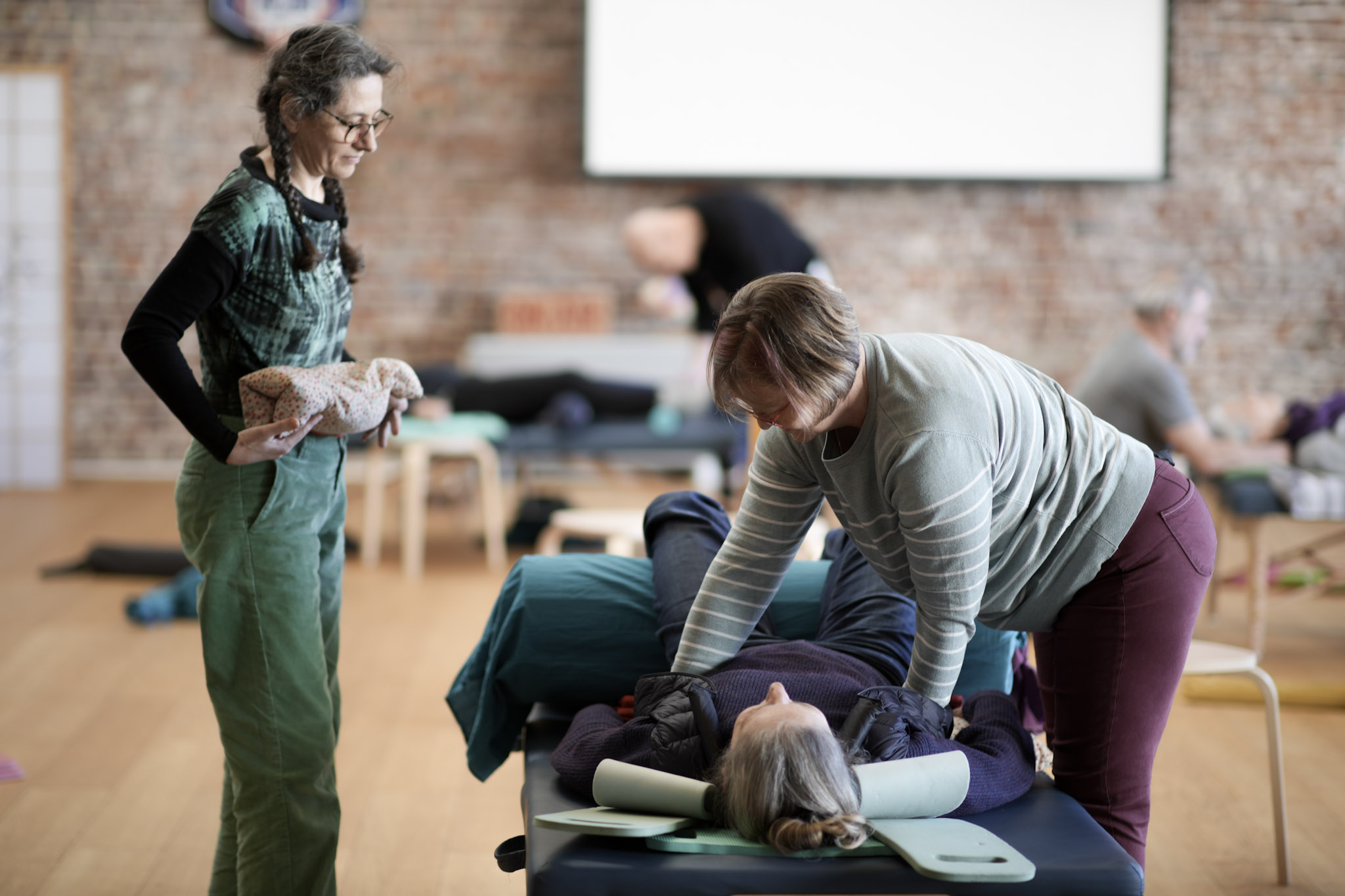
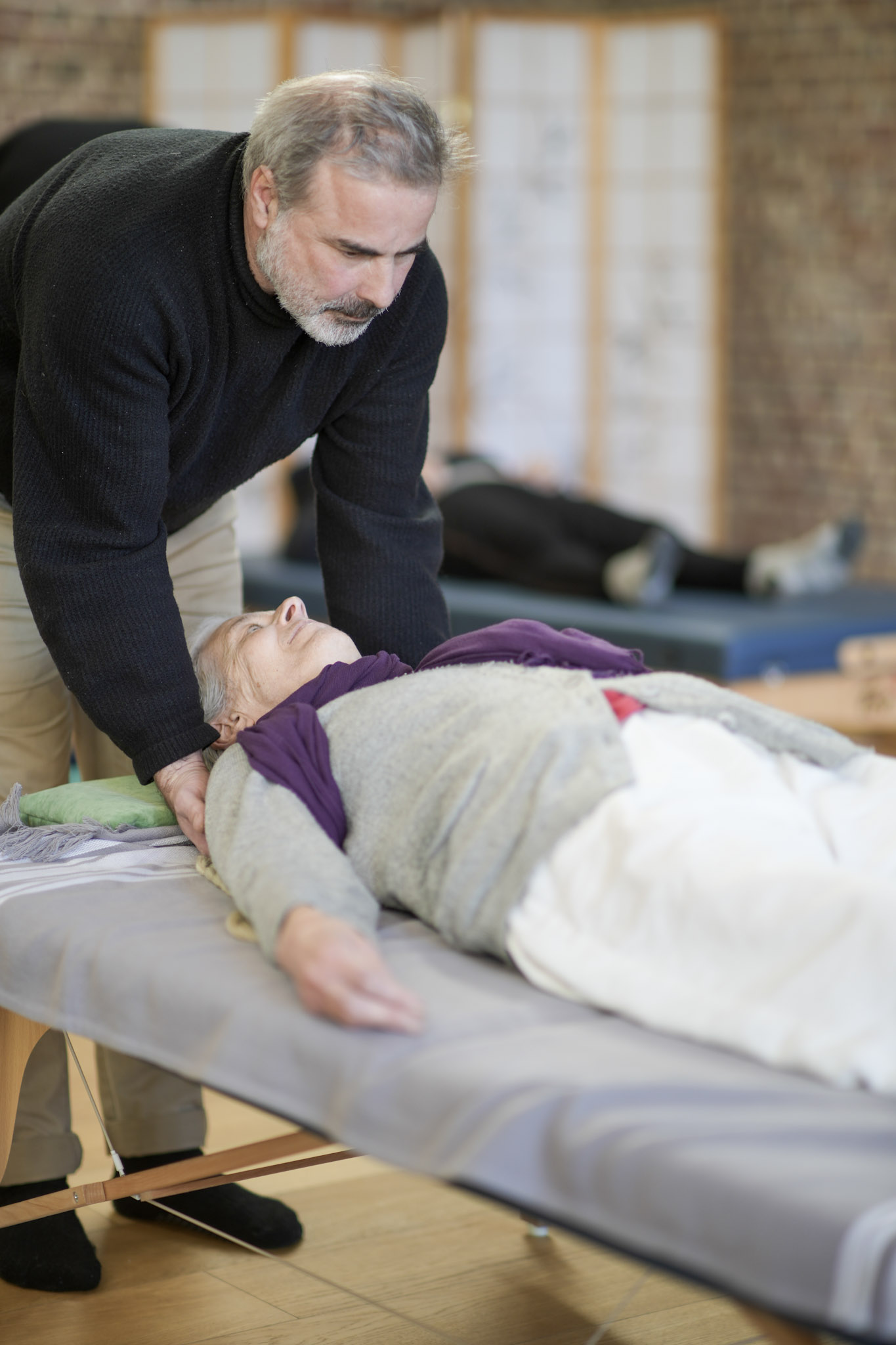
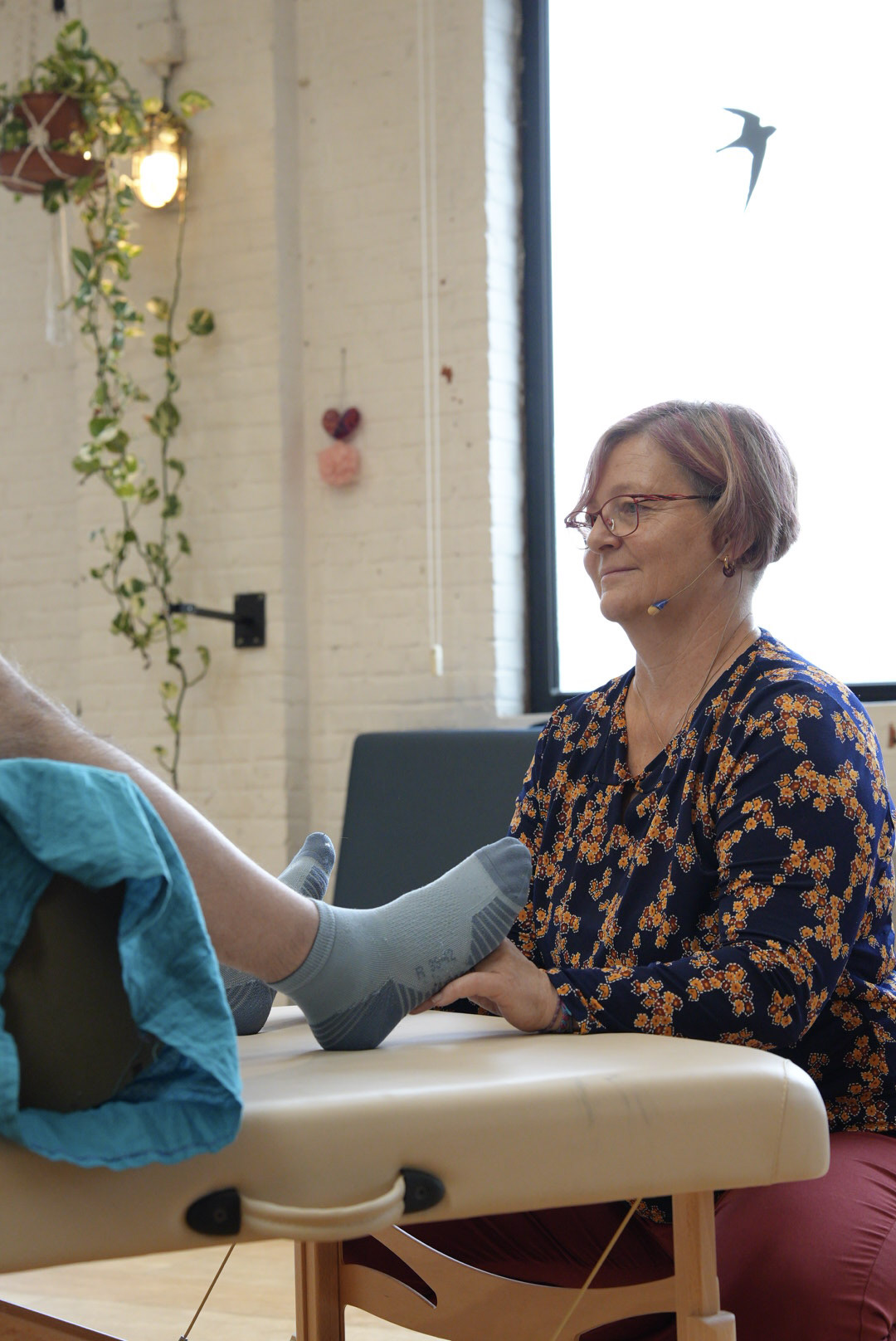
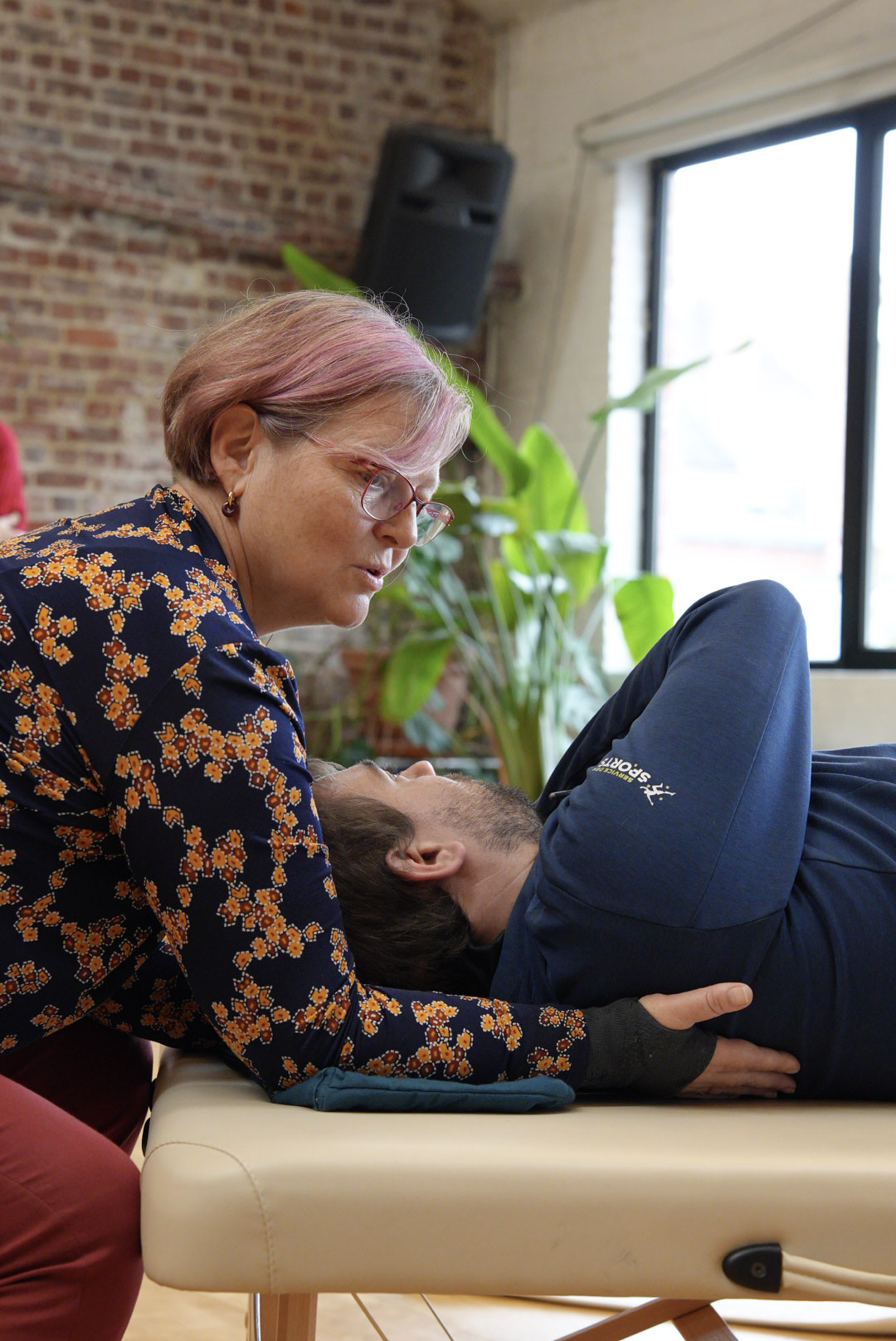
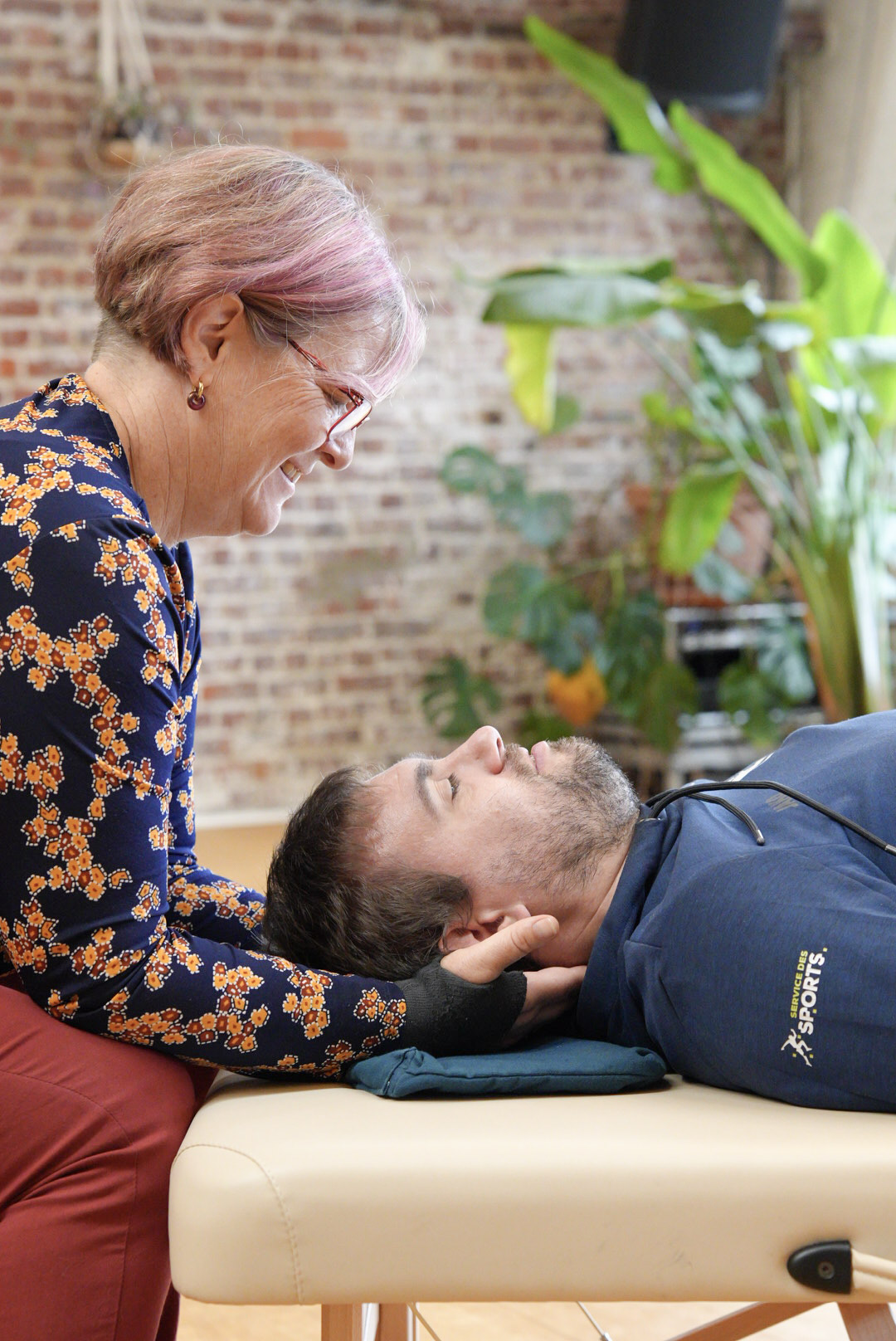
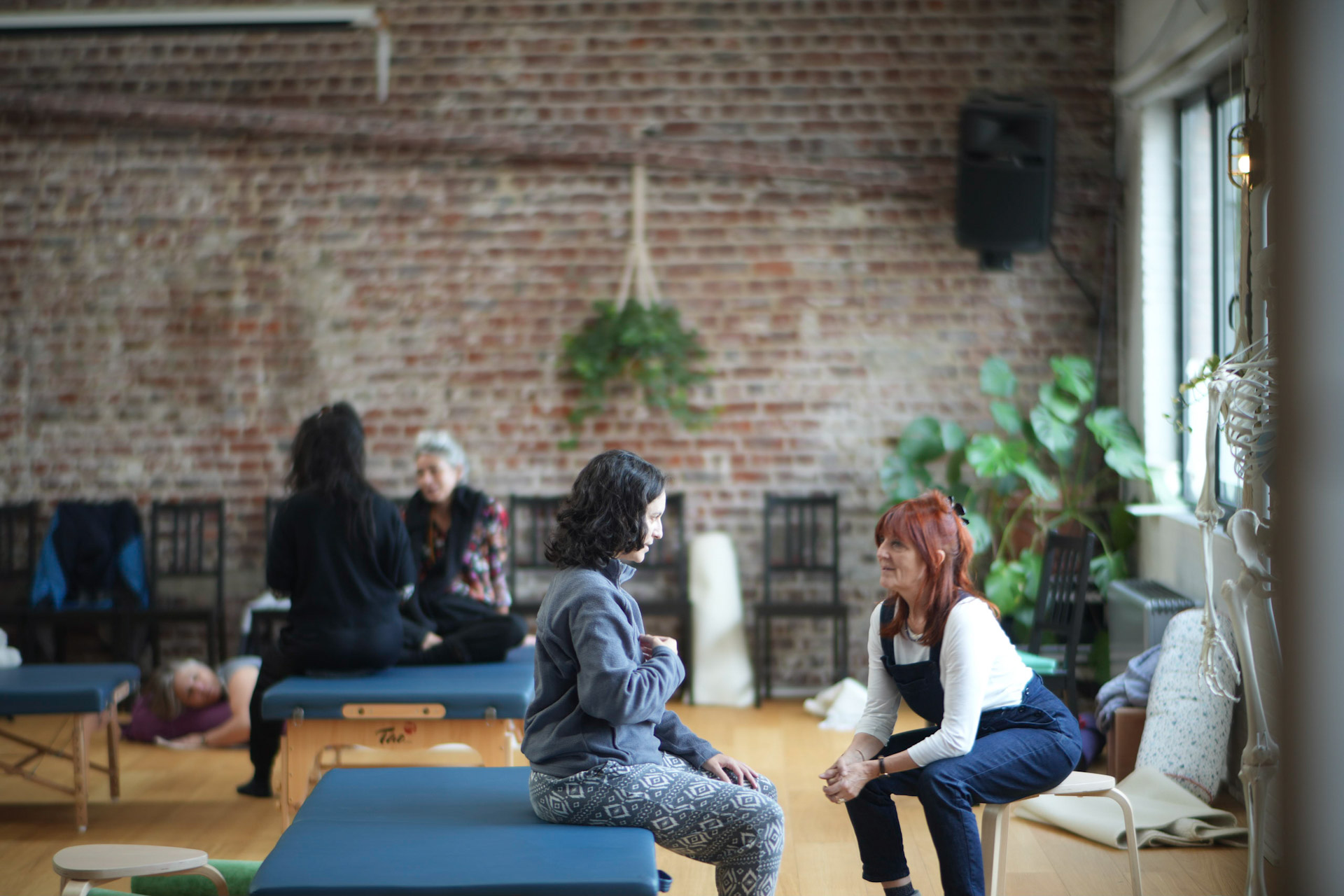
Over three days, explore how touch can become more precise, responsive and informative in hands-on practice.
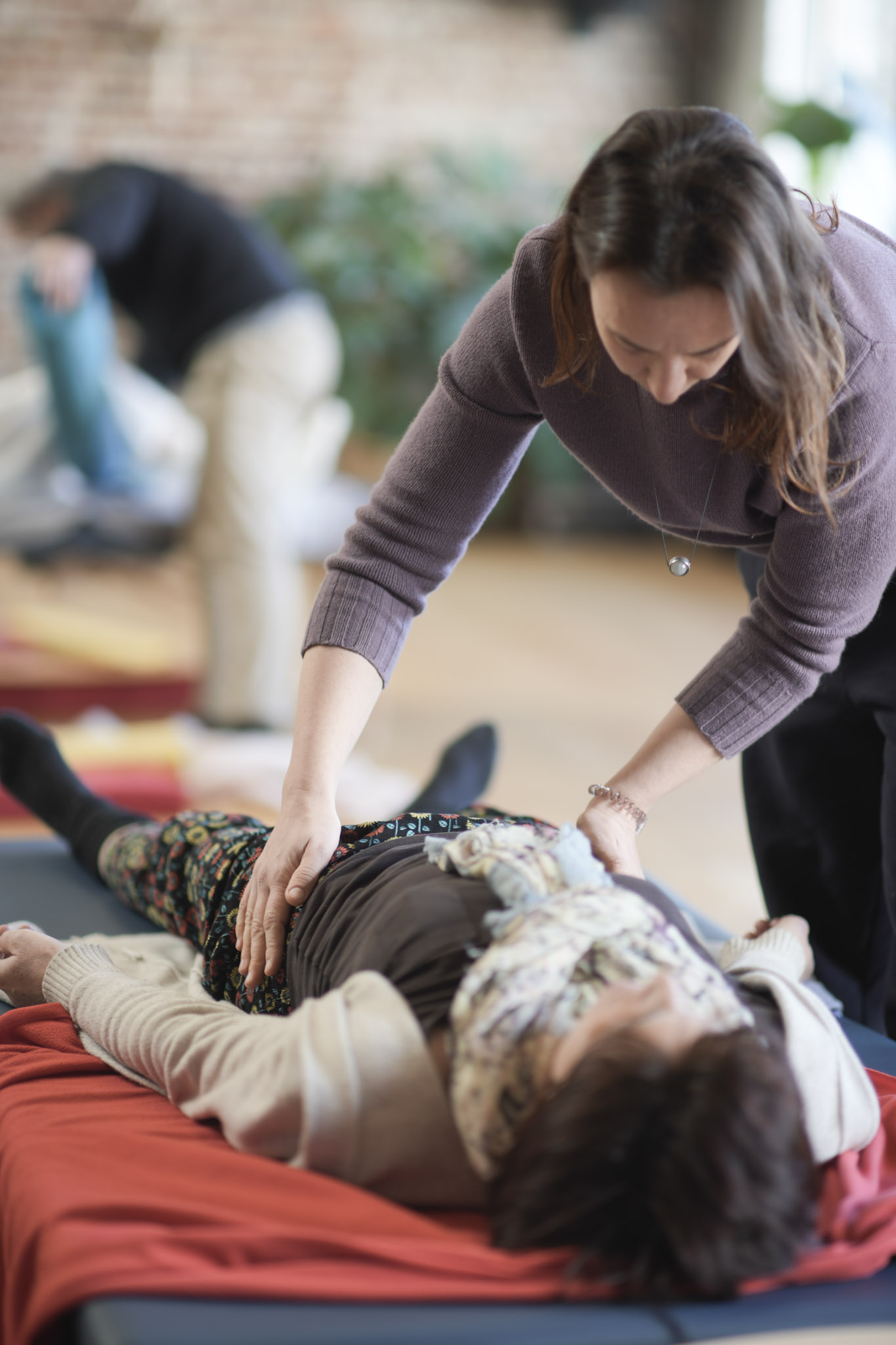
Through guided sensory experiences, you will learn to notice subtle movement, support and organisation without forcing the body or imposing a technique.
For manual therapists and Feldenkrais practitioners, this is a practical space to deepen the quality of your contact, clarify your intention and bring more choice to each interaction.
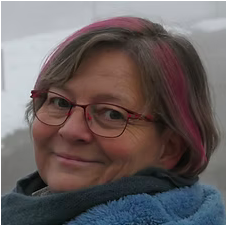
Votre guide
Facilitators
What you will develop
Refine your hands-on perception
Distinguish pressure, direction, support and intention as you work with another person.Connect fascia, movement and touch
Explore how subtle movement can be perceived without forcing change or moving tissue mechanically.Build a clearer therapeutic intention
Develop more precise choices in how you listen, respond and guide through touch.Translate experience into practice
Leave with sensory tools you can bring into manual therapy, Functional Integration or other hands-on work.
Get the PDF guide
Get the full event presentation sent to your inbox.
Optional. You can request the PDF without joining the newsletter.
More about this program
Who is this workshop for?
What is fascia and why is it so important?
Is this a professional development workshop? Is it practical or purely theoretical?
Reserve your place
Benefits
A deeper resource for hands-on practice
Three days of guided, hands-on exploration
A practice-led immersion for manual therapists and Feldenkrais practitioners.A clearer language for touch
Develop greater sensitivity to support, direction, pressure and intention.Transferable tools for your practice
Bring more precision, adaptability and ease to your professional touch.Led by Choune Ostorero
A Feldenkrais practitioner with over 10 years of experience who has worked with Olympic athletes.
Explore
You might also like
See more offers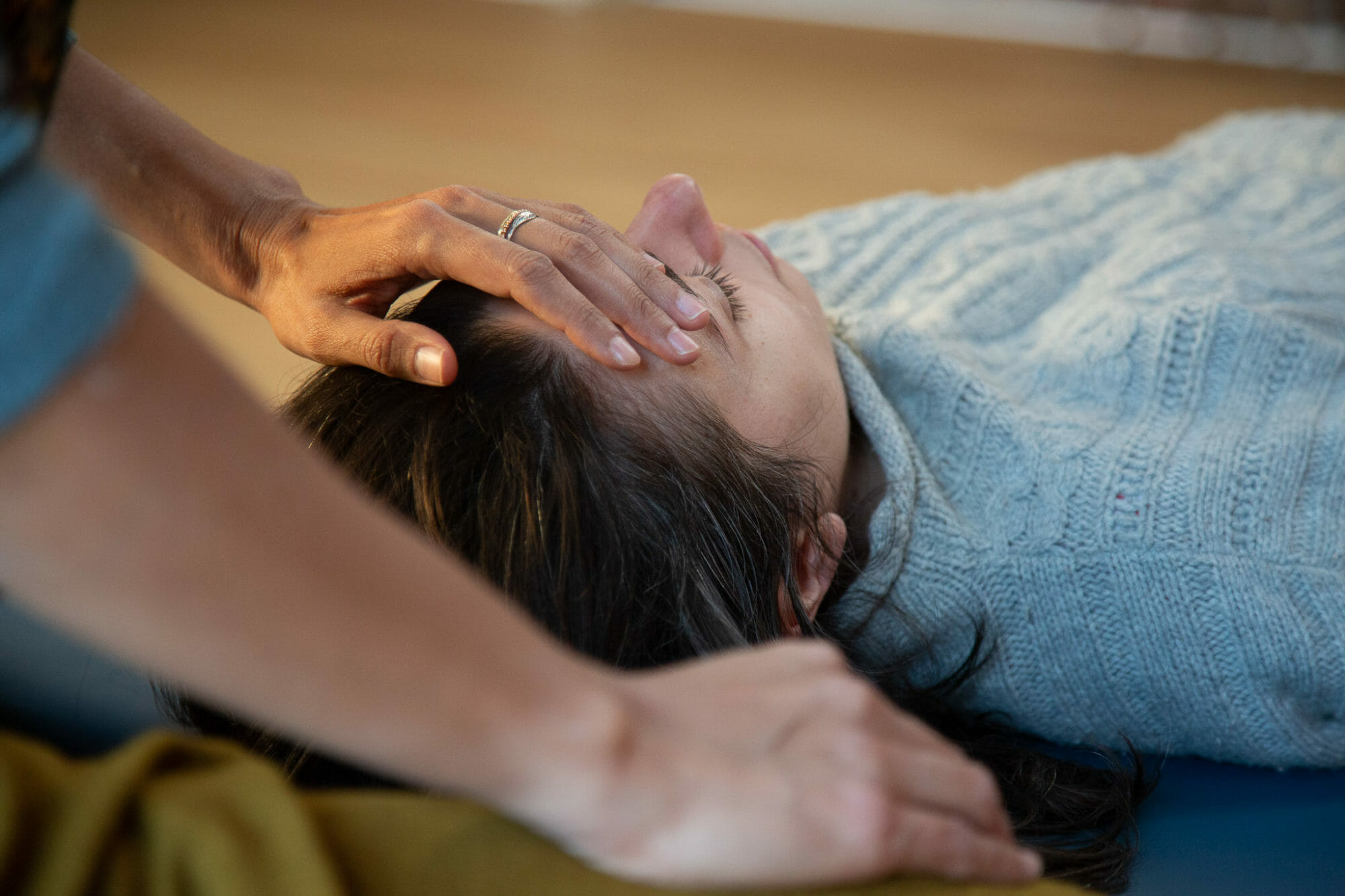

Questions
Frequently asked questions
Practical
What facilities does Forest Lighthouse offer?
The centre includes two changing rooms, a small coffee and tea area, a kitchen for breaks, and a library with many books on movement, learning, and somatic practices. Mats and basic equipment are available on site.
How do I get to Forest Lighthouse?
Forest Lighthouse is located in Forest, Brussels, and is easy to reach by public transport, including tram 82 and bus 50. For detailed directions, please see the Visit page.
How accessible is the centre?
The main hall, Canopy Hall, currently requires taking stairs. The ground-floor studio is accessible for wheelchair users. If you need specific access support, please contact us in advance.
What should I bring?
Comfortable clothing is recommended. You are welcome to bring water and a notebook if you would like to take notes.
What kind of movement should I expect?
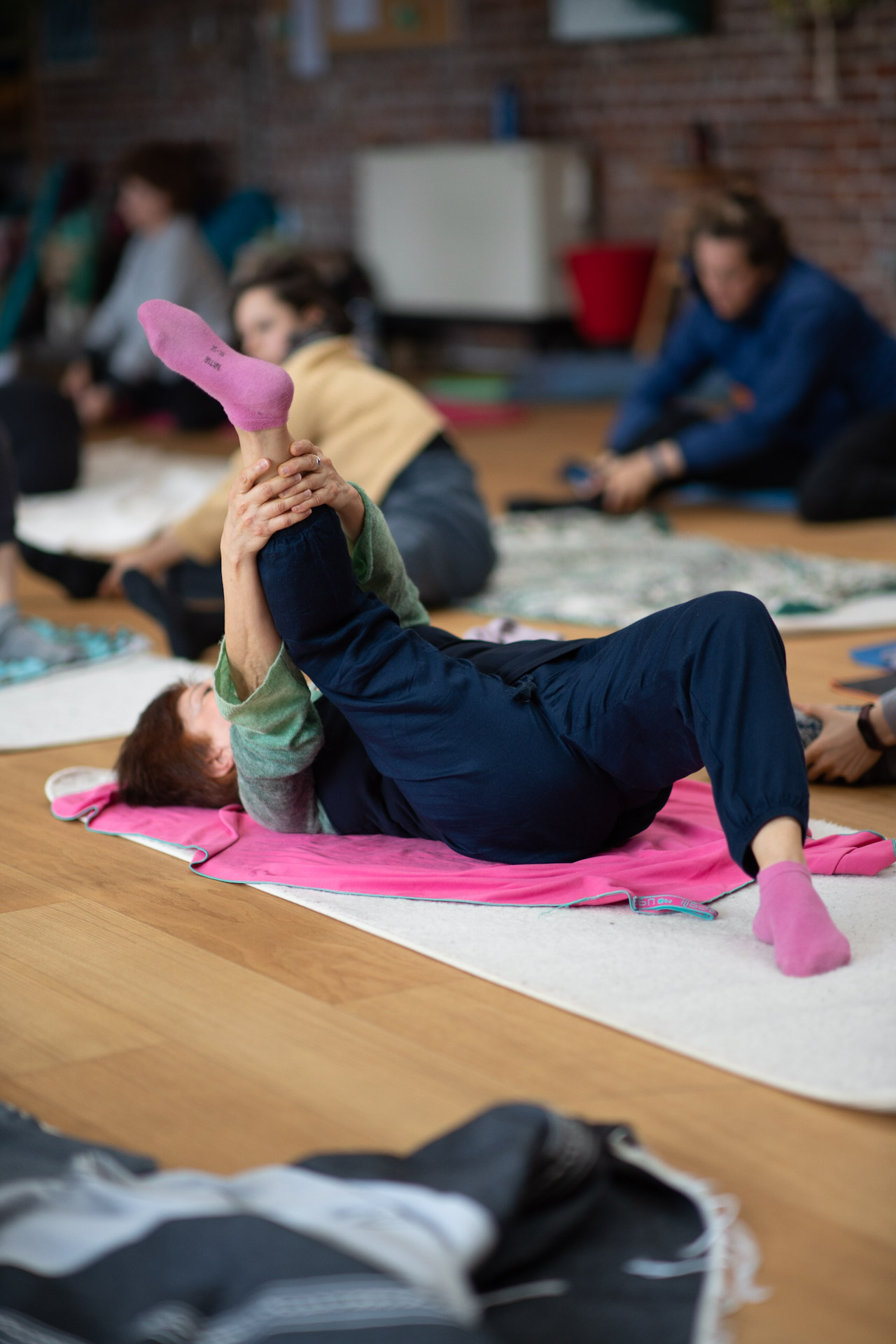
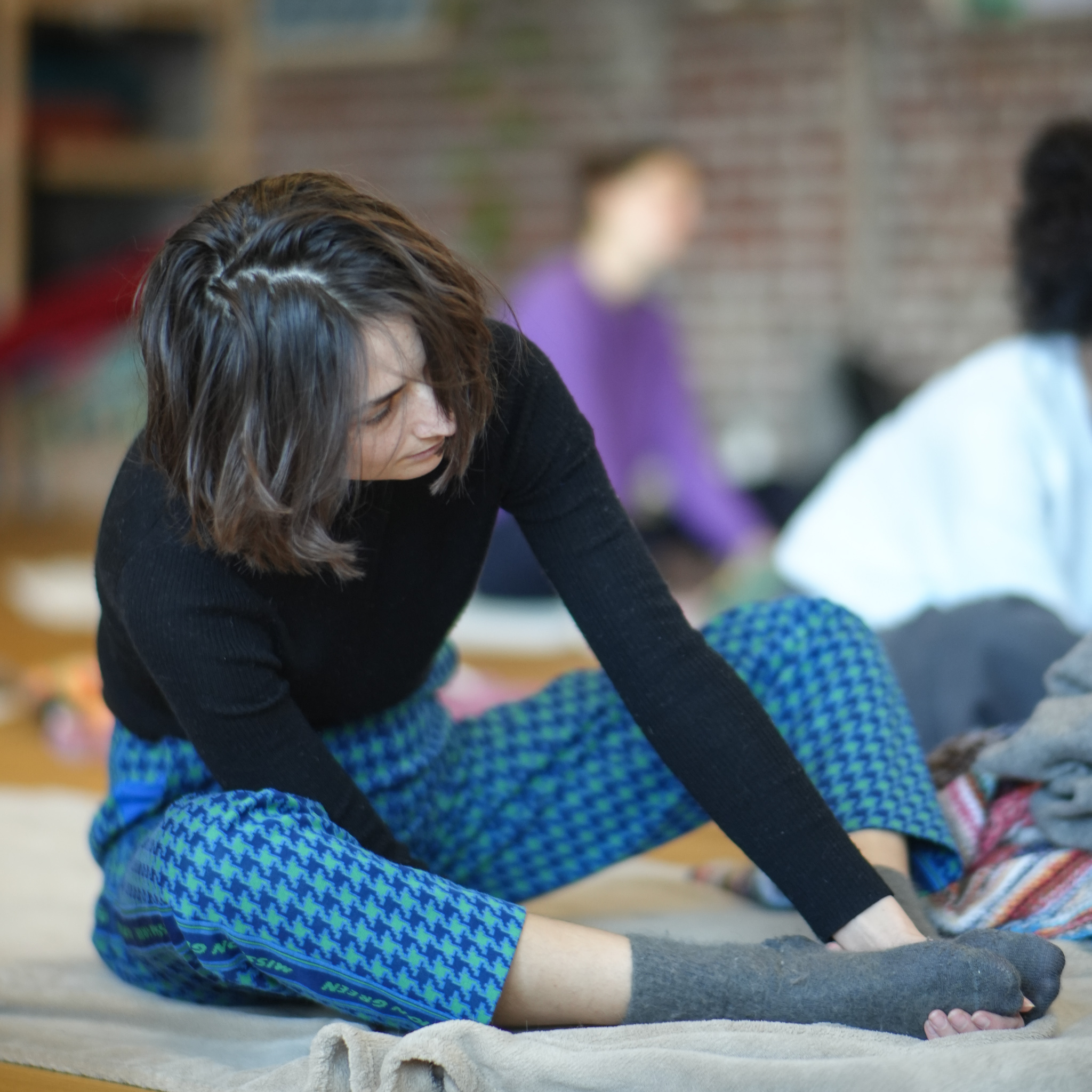
Depending on the activity, the work may happen on the floor, seated, standing, or in motion. The exact format is described on each event page.
When should I arrive?
We aim to begin activities on time, so we recommend arriving a few minutes early.
Can I come on my own?
Yes, absolutely. Many participants come on their own. You are also welcome to bring a friend.
Where can I park my bike?
You can park your bike at the entrance of the building.
General
What is Forest Lighthouse?
Forest Lighthouse is a centre for somatic and neurosomatic education in Brussels. We explore embodied learning through movement, perception, cognition, and emotional awareness. Our aim is to create the right conditions for learning so each person can discover and develop their abilities through direct experience.
What kinds of classes and trainings do you offer?
We organise workshops, regular classes, private sessions, and professional training programmes. These activities explore different approaches to embodied learning and movement, often with internationally recognised teachers and practitioners.
Who are the events and activities for?
Most activities are open to beginners unless stated otherwise. Somatic education is not about performance or flexibility. It is about learning through attention and exploration, at your own pace. If you have an injury or a particular condition, please let us know in advance.
Payment
What payment options do you offer?
Registration and payment usually happen online. If needed, we can also help you directly at the studio.
Are there extra fees and what is the cancellation policy?
Cancellation terms vary depending on the activity. Please check the event page for the details that apply.
What if a workshop is full?
You can ask to join the waiting list. We will contact you if a place becomes available.
Do you offer reduced rates?
If you are unemployed or in financial difficulty, you can contact us to request a reduced rate. Supporting documentation may be requested.
Can I receive an invoice?
Yes. If you need an invoice for professional or administrative purposes, please let us know.