





 Mon28 Sep06:30 PM – 07:30 PMJuan Martinez
 Thu1 Oct12:15 PM – 01:10 PMBetzabel FalfanMon5 Oct06:30 PM – 07:30 PMJuan MartinezThu8 Oct12:15 PM – 01:10 PMBetzabel Falfan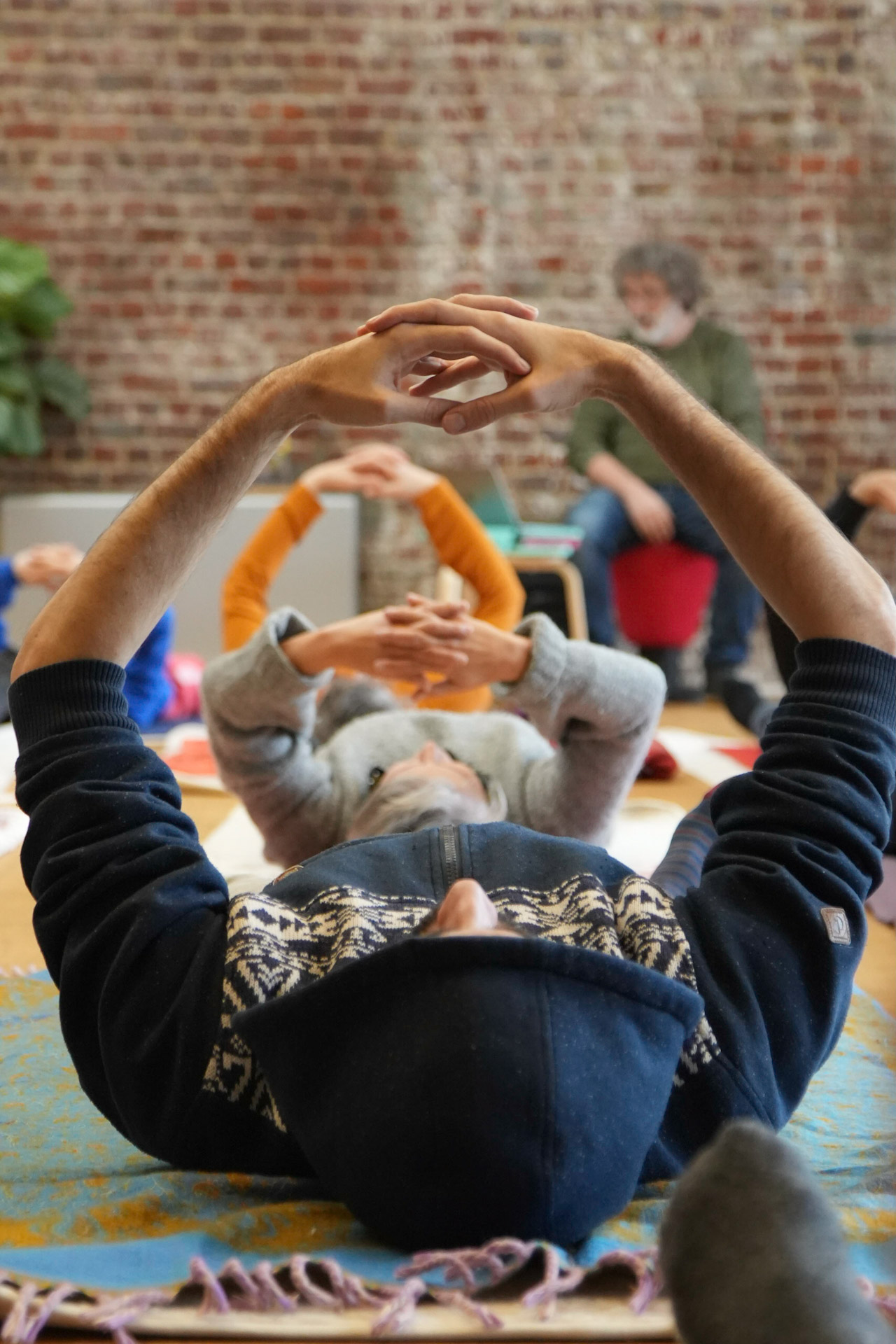
About
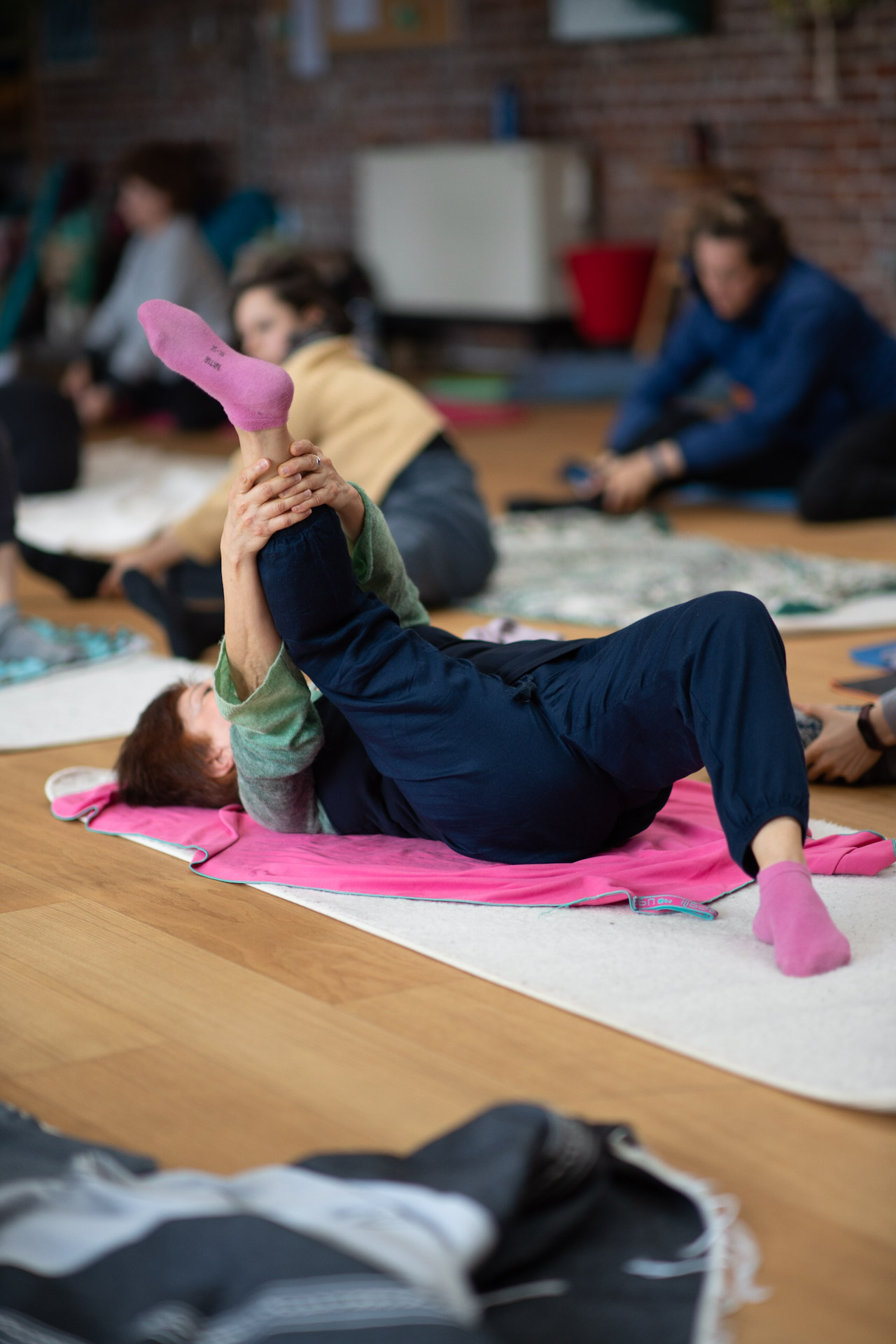
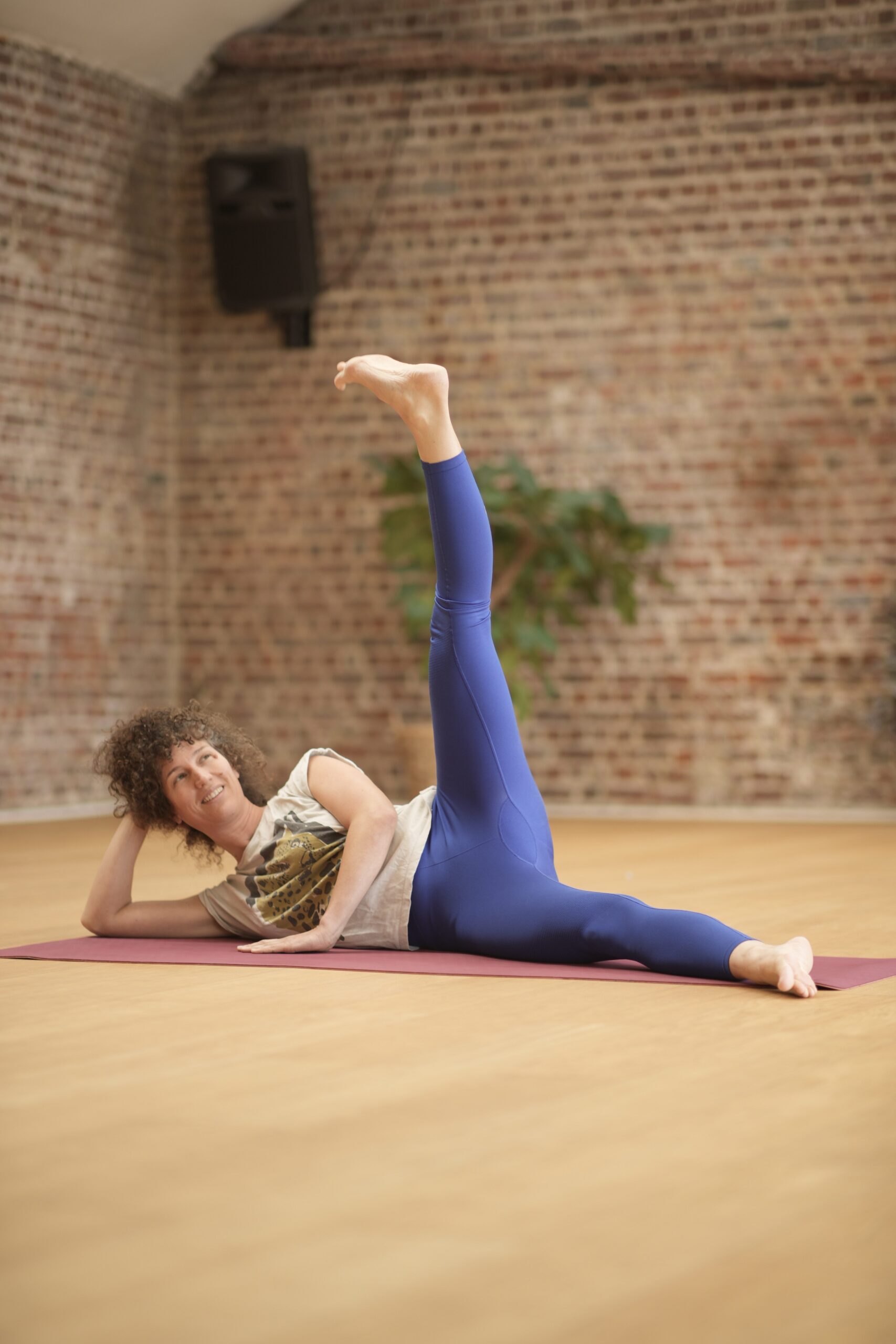
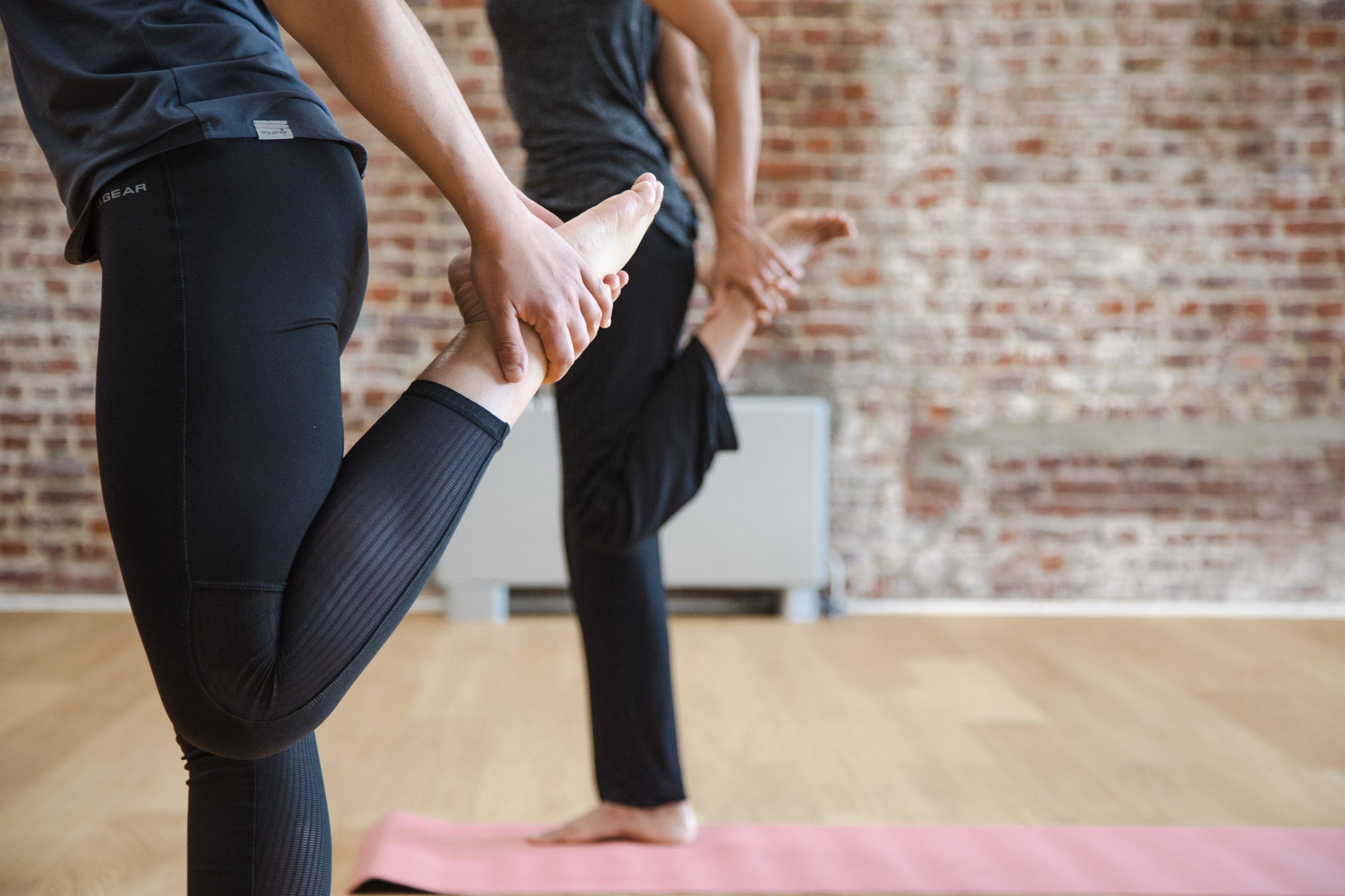
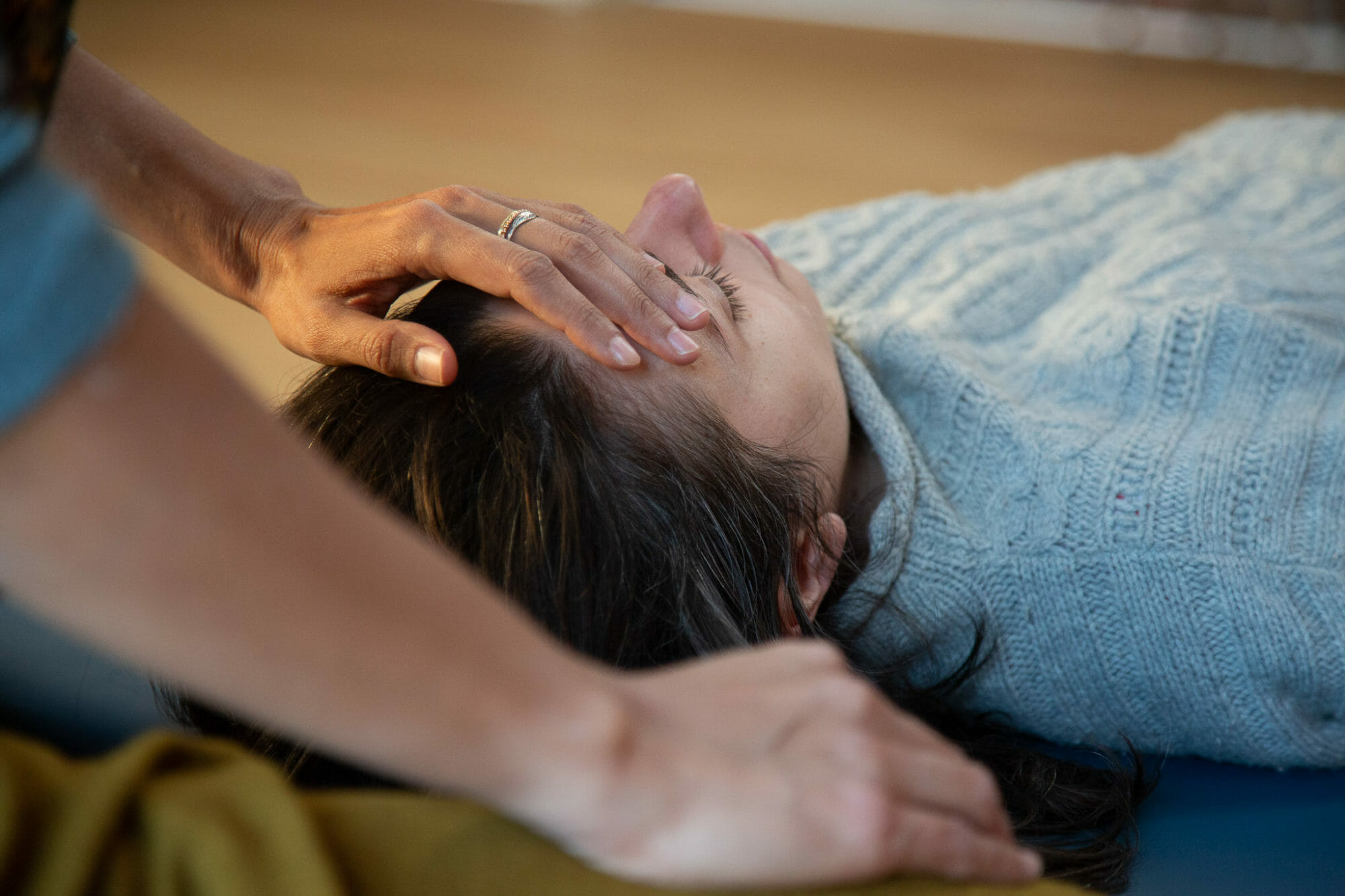
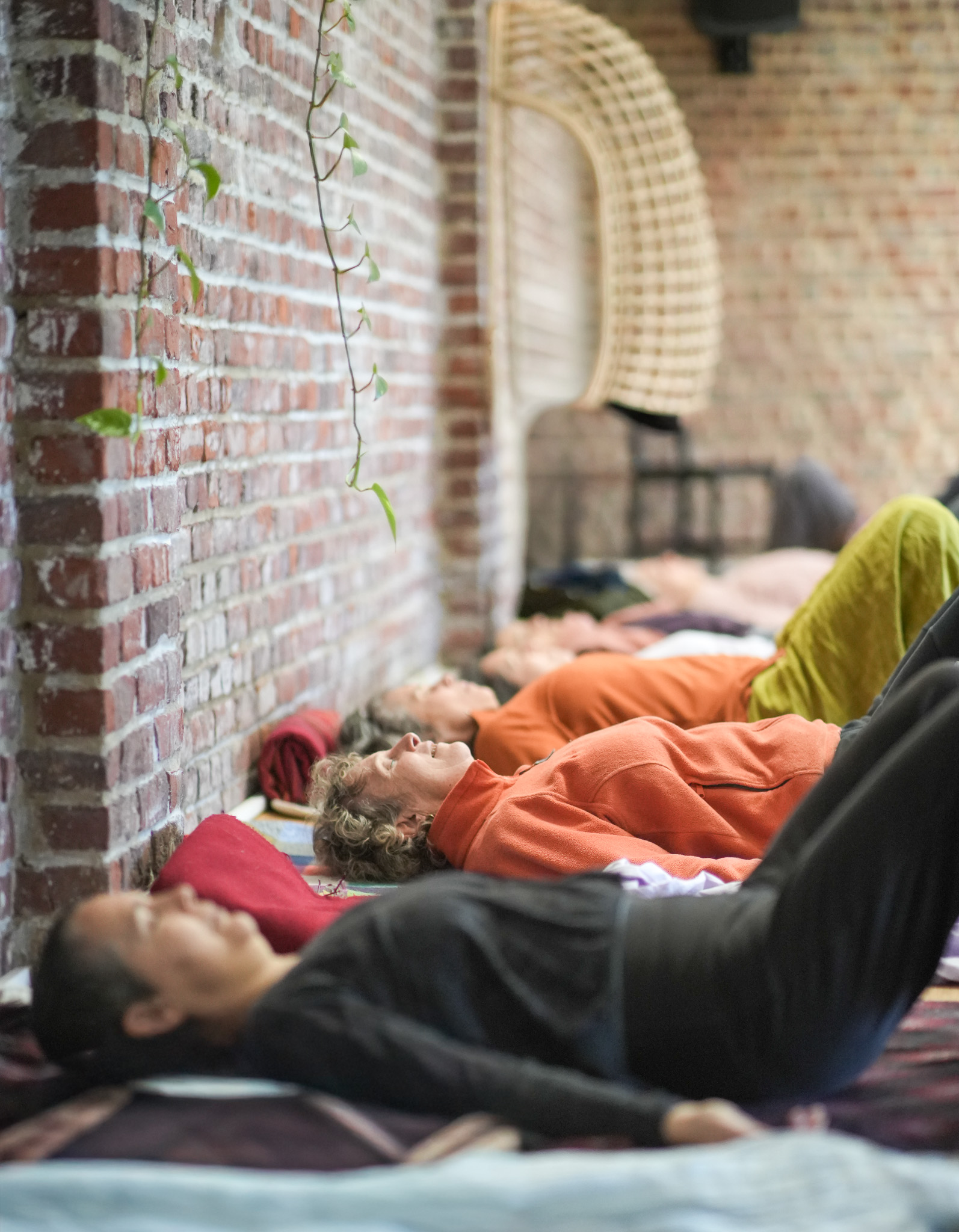
Feldenkrais classes use gentle movement and attentive exploration to improve coordination, posture, and self-awareness.
Rather than stretching or forcing, the work helps you notice how you organize yourself so you can move with more ease, adaptability, and comfort.
Votre guide
Facilitators
Creas lo que crees
What you will explore
Reduce unnecessary effort
Notice how small changes in organization can make movement lighter and clearer.
Refine coordination
Improve how different parts of yourself work together in action.
Build awareness
Develop a more precise sense of support, orientation, and choice.
Bring it into daily life
Apply what you learn to walking, sitting, breathing, and everyday movement.
Get the PDF guide
Get the full event presentation sent to your inbox.
Optional. You can request the PDF without joining the newsletter.
More about this program
What kind of practice is Feldenkrais?
A weekly Feldenkrais class to explore movement with less effort, clearer sensing, and more options for everyday life.
Feldenkrais classes use gentle movement and attentive exploration to improve coordination, posture, and self-awareness.
Who is Feldenkrais for?
Feldenkrais is especially suited to all levels.
What does Feldenkrais help develop?
Participants generally come away with Regular embodied practice, Sharpen perception, and Refine coordination.
Build familiarity through repetition, variation, and steady attention over time. Develop finer distinctions in sensing, orientation, breathing, and support.
What can I expect during a Feldenkrais class?
In practice, the offer unfolds through Reduce unnecessary effort, Refine coordination, and Build awareness.
Notice how small changes in organization can make movement lighter and clearer. Improve how different parts of yourself work together in action.
How can I join Feldenkrais?
New participants can begin with a trial-friendly entry point before continuing with the weekly rhythm.
The listed teaching languages for this offer are French.
Benefits
In this programme
Regular embodied practice
Build familiarity through repetition, variation, and steady attention over time.
Sharpen perception
Develop finer distinctions in sensing, orientation, breathing, and support.
Refine coordination
Improve timing, transitions, and the organization of action with less unnecessary effort.
Support recovery and comfort
Explore gentler options that can reduce strain and improve how you move through discomfort.
Explore
You might also like
See more offers
Questions
Frequently asked questions
Practical
What facilities does Forest Lighthouse offer?
The centre includes two changing rooms, a small coffee and tea area, a kitchen for breaks, and a library with many books on movement, learning, and somatic practices. Mats and basic equipment are available on site.
How do I get to Forest Lighthouse?
Forest Lighthouse is located in Forest, Brussels, and is easy to reach by public transport, including tram 82 and bus 50. For detailed directions, please see the Visit page.
How accessible is the centre?
The main hall, Canopy Hall, currently requires taking stairs. The ground-floor studio is accessible for wheelchair users. If you need specific access support, please contact us in advance.
What should I bring?
Comfortable clothing is recommended. You are welcome to bring water and a notebook if you would like to take notes.
What kind of movement should I expect?
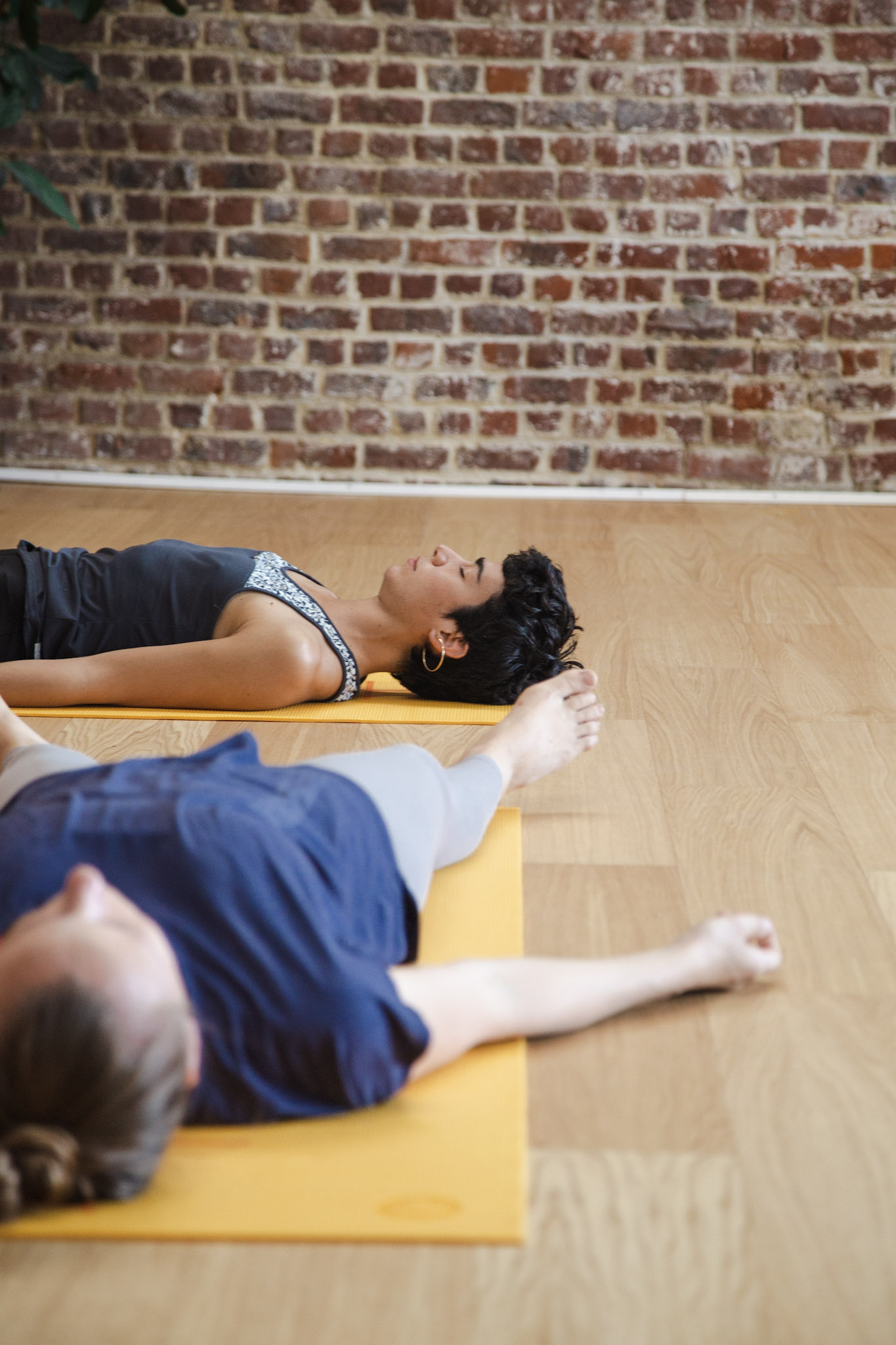
Depending on the activity, the work may happen on the floor, seated, standing, or in motion. The exact format is described on each event page.
When should I arrive?
We aim to begin activities on time, so we recommend arriving a few minutes early.
Can I come on my own?
Yes, absolutely. Many participants come on their own. You are also welcome to bring a friend.
Where can I park my bike?
You can park your bike at the entrance of the building.
General
What is Forest Lighthouse?
Forest Lighthouse is a centre for somatic and neurosomatic education in Brussels. We explore embodied learning through movement, perception, cognition, and emotional awareness. Our aim is to create the right conditions for learning so each person can discover and develop their abilities through direct experience.
What kinds of classes and trainings do you offer?
We organise workshops, regular classes, private sessions, and professional training programmes. These activities explore different approaches to embodied learning and movement, often with internationally recognised teachers and practitioners.
Who are the events and activities for?
Most activities are open to beginners unless stated otherwise. Somatic education is not about performance or flexibility. It is about learning through attention and exploration, at your own pace. If you have an injury or a particular condition, please let us know in advance.
Payment
What payment options do you offer?
Registration and payment usually happen online. If needed, we can also help you directly at the studio.
Are there extra fees and what is the cancellation policy?
Cancellation terms vary depending on the activity. Please check the event page for the details that apply.
What if a workshop is full?
You can ask to join the waiting list. We will contact you if a place becomes available.
Do you offer reduced rates?
If you are unemployed or in financial difficulty, you can contact us to request a reduced rate. Supporting documentation may be requested.
Can I receive an invoice?
Yes. If you need an invoice for professional or administrative purposes, please let us know.