





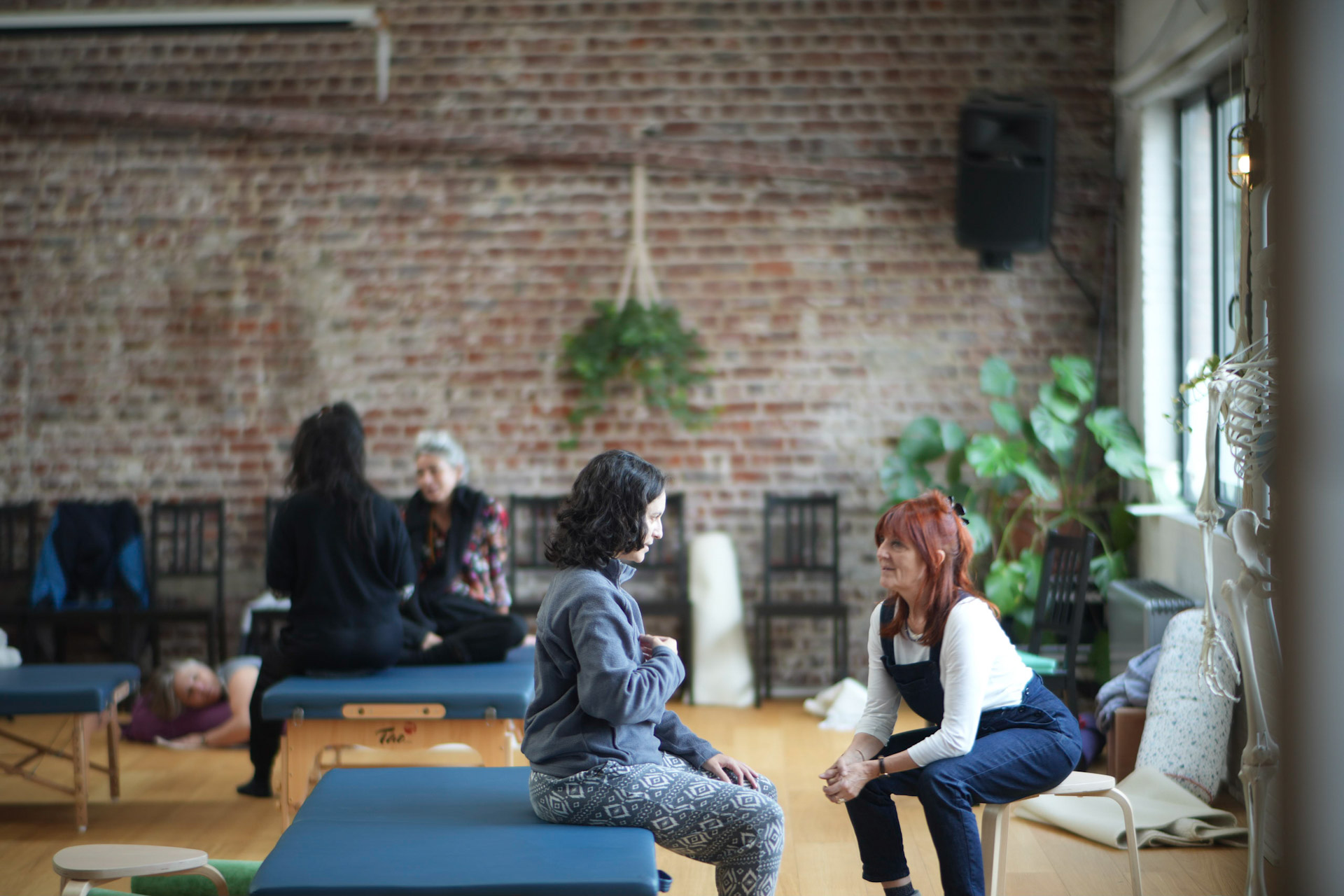
About
When pain becomes chronic or keeps returning, it can start to feel fixed, confusing, and discouraging. Unlearning pain offers one-to-one support for understanding persistent pain through pain science, nervous-system education, guided attention, and gentle movement.
Together we explore how fear, stress, protective habits, and learned pain patterns may be amplifying symptoms, while staying attentive to the possibility of structural issues that require medical care. This work does not replace diagnosis or emergency treatment, but it can complement ongoing medical, physiotherapy, or psychotherapy support.
The aim is not to push through pain, but to reduce fear, make the experience more understandable, and gradually rebuild trust in your body.
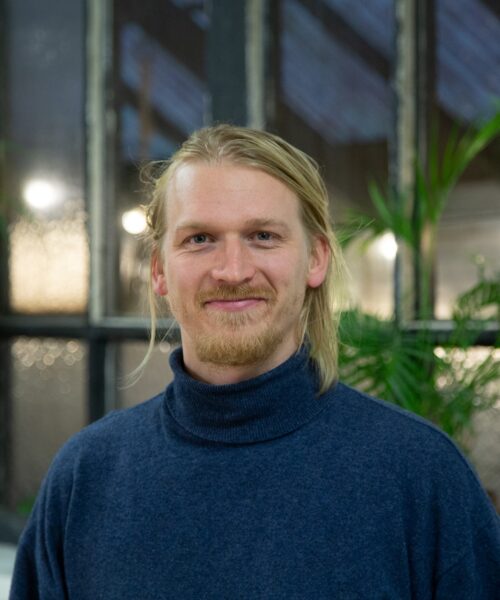
Votre guide
Facilitators

Creas lo que crees
What can you expect in a session?
Orientation
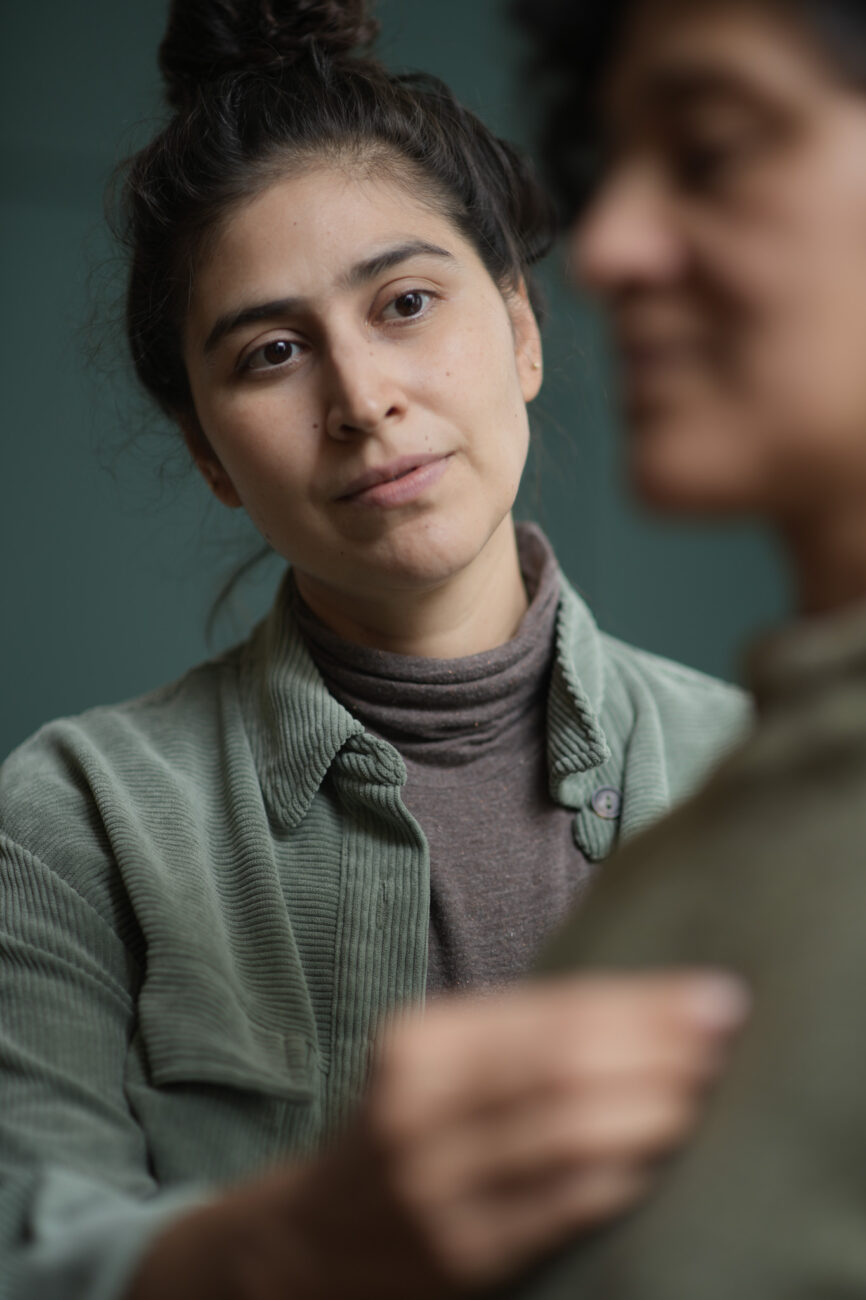
We begin with your history, current symptoms, what has or has not helped, and what feels most important now.
Pain framework
We clarify how persistent pain can be shaped by the nervous system, fear, stress, and learned protection patterns.
Gentle experiments
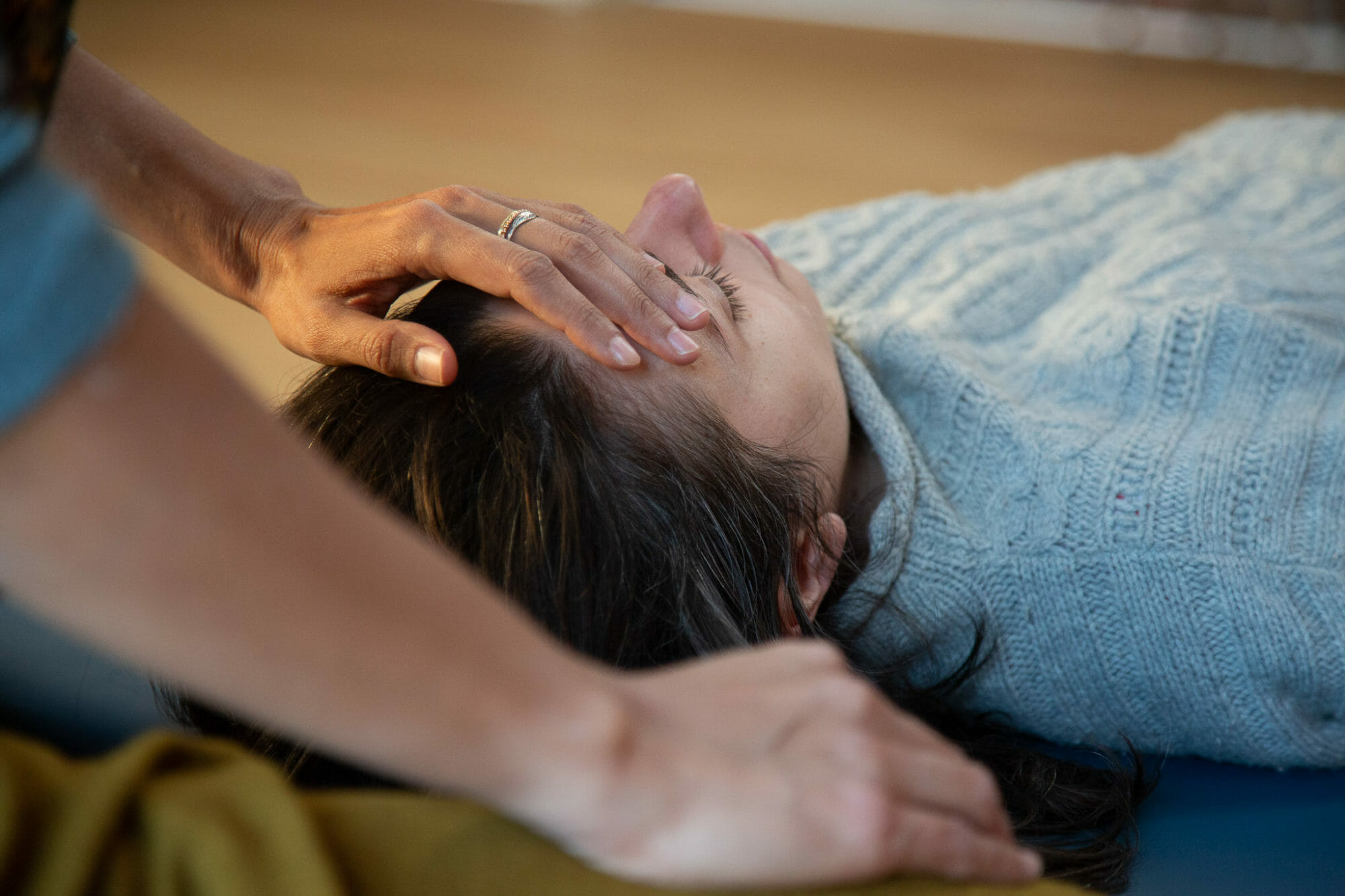
You may be guided through attention practices, simple provocative testing, or small movement experiments adapted to your comfort.
Movement and regulation
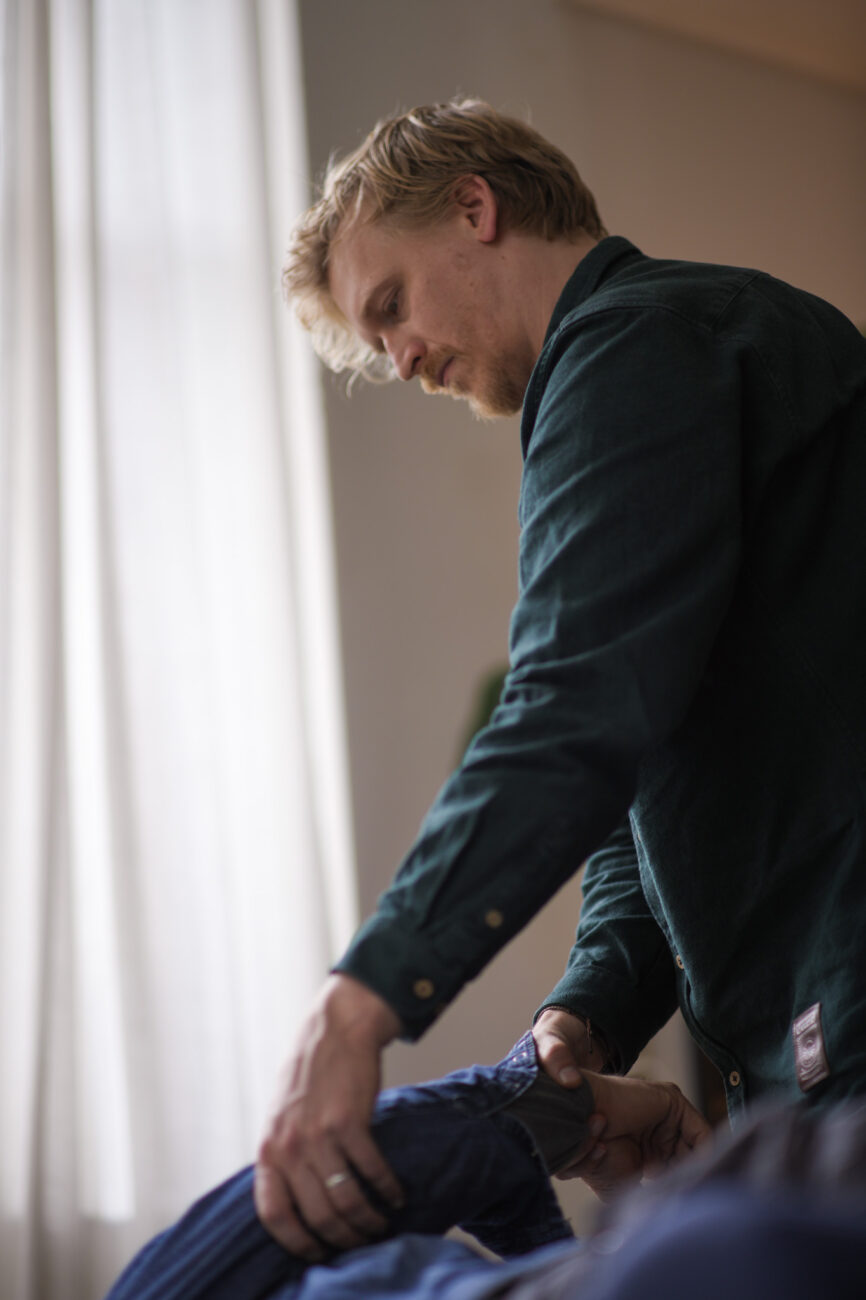
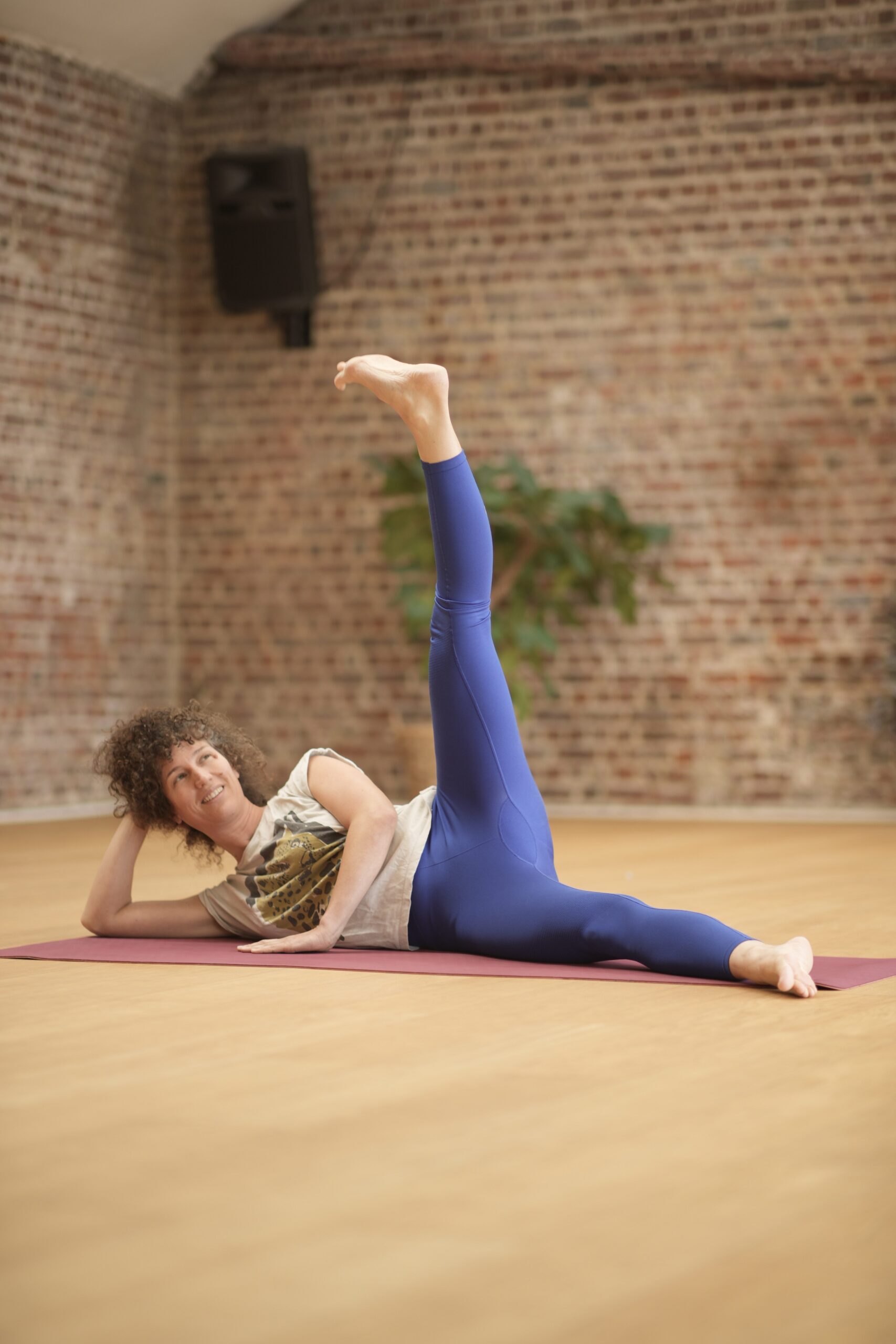
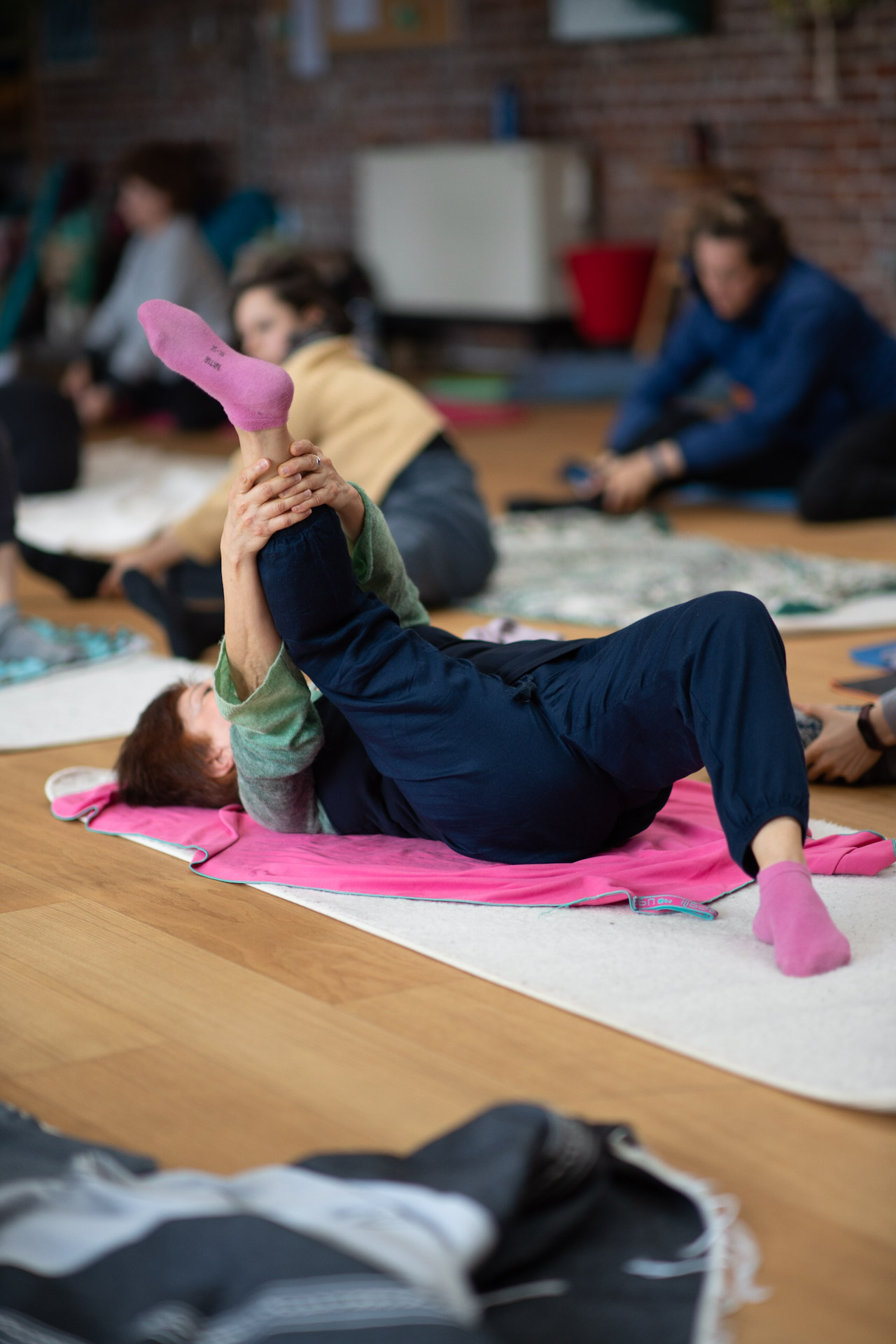
When relevant, we use gentle Feldenkrais-based movement to reduce guarding, restore options, and support a sense of safety.
Next steps
We end by identifying what to notice, practice, or continue exploring between sessions. Progress is individual and not always linear.
Get the PDF guide
Get the full event presentation sent to your inbox.
Optional. You can request the PDF without joining the newsletter.






1 / 8
More about this program
What kind of support does Unlearning pain offer?
Unlearning pain offers one-to-one support for people living with persistent or recurring pain who want to better understand what is happening and find a gentler path forward.
The work combines pain education, guided attention, emotional awareness, and gentle movement so that pain feels less mysterious, less frightening, and more workable.
Who are Unlearning pain sessions for?
These sessions are for people dealing with ongoing pain, recurring symptoms, or symptom patterns that seem disproportionate, changeable, or resistant to treatment.
They can be especially relevant if you suspect stress, fear, overwhelm, or learned protection responses are part of the picture, and you want an approach that goes beyond symptom management alone.
What can we work on through Unlearning pain?
This work can support people with patterns such as chronic back, neck, jaw, pelvic, limb, or abdominal pain, repetitive strain, tension headaches, dizziness, fibromyalgia, IBS, fatigue-related symptoms, and other persistent pain presentations.
Not every symptom is neuroplastic, and part of the work is clarifying what fits this approach and what should be referred back to medical care.
What happens in a first session?
A first session usually includes a conversation about your history and symptoms, an introduction to the pain framework we are using, and one or two practical experiments.
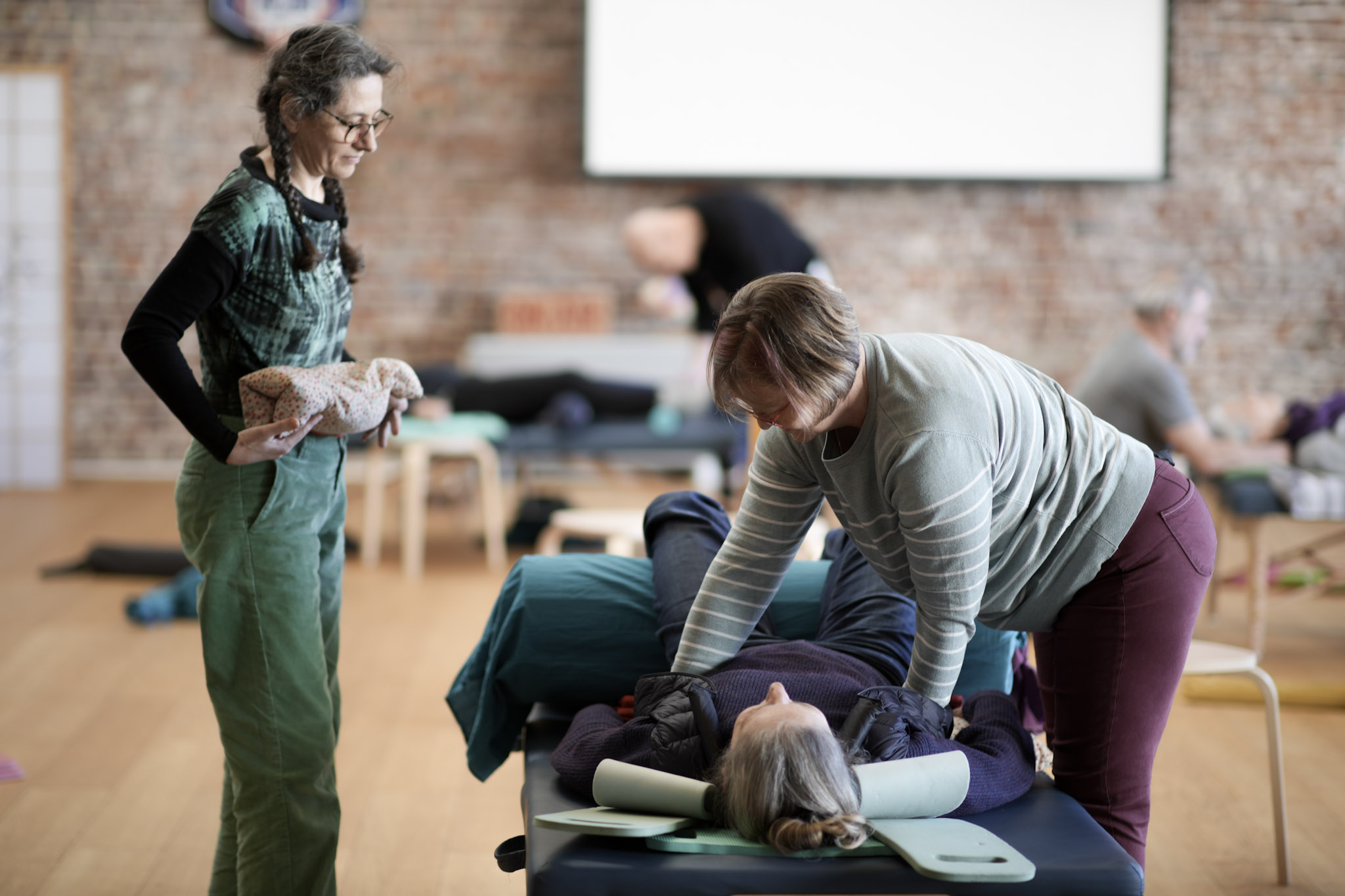
Depending on your situation, this may include guided attention, emotional inquiry, and gentle movement. You remain clothed, and the pace is adapted to your comfort.
Can this work alongside medical care, physiotherapy, or psychotherapy?
Yes. This approach can complement medical follow-up, physiotherapy, psychotherapy, or other forms of care.
It does not replace diagnosis, imaging when necessary, or emergency care. If your symptoms suggest a structural or urgent medical issue, that should be assessed appropriately.
What if I am in a flare-up, afraid to move, or unsure whether this is a fit?
You do not need to arrive feeling confident. Fear of movement, flare-ups, and uncertainty are common starting points for this work.
If the approach is a fit, we start small and work within what feels safe enough. If it does not seem like the right entry point, we can name that clearly and orient you toward something more suitable.
Benefits
In this programme
Individualized guidance
Receive support tailored to your symptom history, fears, and practical questions.
Support recovery and comfort
Explore gentler options that can reduce strain and improve how you move through discomfort.
A clearer understanding of pain
Make sense of neuroplastic pain, protective responses, and the role of fear and stress.
Pacing adapted to you
Work at a rhythm that respects your history, comfort, and current capacity.
Explore
You might also like
See more offers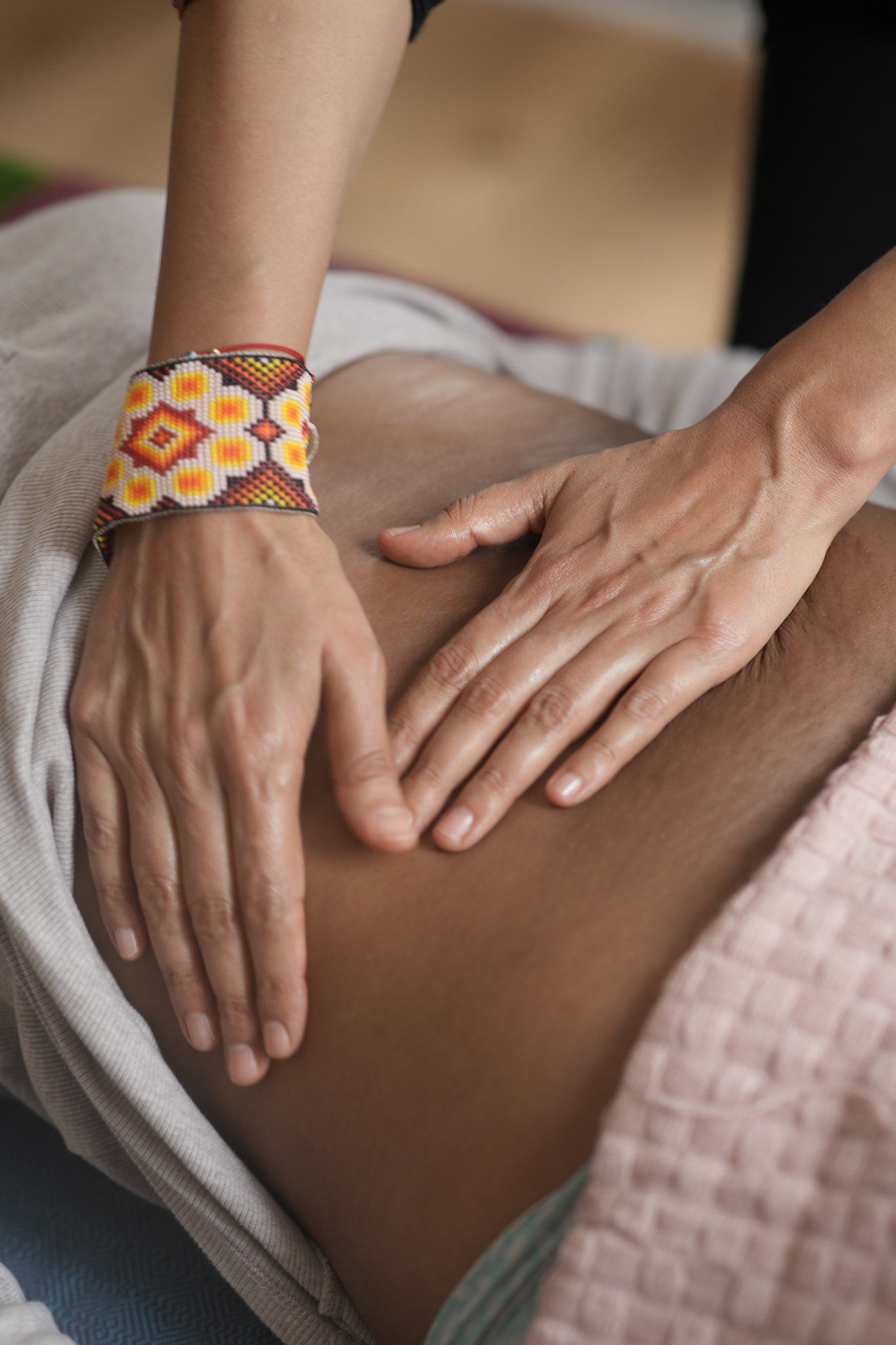
Questions
Frequently asked questions
Practical
What facilities does Forest Lighthouse offer?
The centre includes two changing rooms, a small coffee and tea area, a kitchen for breaks, and a library with many books on movement, learning, and somatic practices. Mats and basic equipment are available on site.
How do I get to Forest Lighthouse?
Forest Lighthouse is located in Forest, Brussels, and is easy to reach by public transport, including tram 82 and bus 50. For detailed directions, please see the Visit page.
How accessible is the centre?
The main hall, Canopy Hall, currently requires taking stairs. The ground-floor studio is accessible for wheelchair users. If you need specific access support, please contact us in advance.
What should I bring?
Comfortable clothing is recommended. You are welcome to bring water and a notebook if you would like to take notes.
What kind of movement should I expect?
Depending on the activity, the work may happen on the floor, seated, standing, or in motion. The exact format is described on each event page.
When should I arrive?
We aim to begin activities on time, so we recommend arriving a few minutes early.
Can I come on my own?
Yes, absolutely. Many participants come on their own. You are also welcome to bring a friend.
Where can I park my bike?
You can park your bike at the entrance of the building.
General
What is Forest Lighthouse?
Forest Lighthouse is a centre for somatic and neurosomatic education in Brussels. We explore embodied learning through movement, perception, cognition, and emotional awareness. Our aim is to create the right conditions for learning so each person can discover and develop their abilities through direct experience.
What kinds of classes and trainings do you offer?
We organise workshops, regular classes, private sessions, and professional training programmes. These activities explore different approaches to embodied learning and movement, often with internationally recognised teachers and practitioners.
Who are the events and activities for?
Most activities are open to beginners unless stated otherwise. Somatic education is not about performance or flexibility. It is about learning through attention and exploration, at your own pace. If you have an injury or a particular condition, please let us know in advance.
Payment
What payment options do you offer?
Registration and payment usually happen online. If needed, we can also help you directly at the studio.
Are there extra fees and what is the cancellation policy?
Cancellation terms vary depending on the activity. Please check the event page for the details that apply.
What if a workshop is full?
You can ask to join the waiting list. We will contact you if a place becomes available.
Do you offer reduced rates?
If you are unemployed or in financial difficulty, you can contact us to request a reduced rate. Supporting documentation may be requested.
Can I receive an invoice?
Yes. If you need an invoice for professional or administrative purposes, please let us know.